A lot of San Jose parents did the careful thing years ago. They sat down with an estate planner, signed a revocable living trust, and recorded a deed moving the family home in Willow Glen, Cambrian Park or Berryessa into it. When the last of them dies, that planning pays off: the house does not have to go through probate at the Santa Clara County Superior Court. But it doesn’t sell itself either. Someone has to step in as successor trustee, and that person is usually an adult child with a job, a family and no training in any of this.
If that’s you, this guide is for you. It covers what the trust actually lets you do, the notice California requires you to send and the contest window it starts, the documents a title company will ask for before it will insure a sale, a property-tax filing with a 150-day deadline, how to handle siblings who don’t agree, and how to sell a house that hasn’t been updated in decades.
The rules below come from the California Probate Code and the State Board of Equalization’s guide to reporting the death of a real property owner. Every trust is different, and the trust document itself controls much of what you can do. A trust and estates attorney can review yours before you sign anything, and the cost is small next to the value of a Bay Area house.
Why a Trust Sale Skips the Courthouse
When the house is titled in the name of a trust, the person who died no longer owned it personally. The trust did. So there is nothing for a probate court to transfer, and the successor trustee named in the trust document steps into control of the property without a judge appointing anyone. That is the key difference from the probate route our step-by-step guide to selling an inherited house in San Jose walks through, where an executor waits for Letters Testamentary before they can act.
The trustee’s authority to sell comes from two places. The first is the trust document, which in most family trusts gives the trustee broad power to sell real estate. The second is the Probate Code, which gives trustees the power to dispose of property for cash or on credit, at public or private sale (section 16226), unless the trust restricts it. In practice, that means:
- No court confirmation hearing. A trust sale doesn’t go before a judge, and other buyers can’t show up in a courtroom to overbid.
- No court-set timetable. You can sign a contract when the trust’s paperwork is in order, rather than when a hearing date comes up.
- The trust document still rules. Some trusts require beneficiary consent for a sale, name co-trustees who must act together, or leave the house to one specific person. Read it first.
One check before you go further: make sure the house really is in the trust. Look at the most recent recorded deed. If it names your parent as trustee of the trust, you are in the right place. If it still names your parent as an individual, the house may have to go through probate after all, even though a trust exists. An attorney can tell you which, and whether a shortcut petition is available.
A trust keeps the house out of probate court. It doesn’t keep the successor trustee out of work.
The 60-Day Notice and the 120-Day Window
When a revocable trust becomes irrevocable because the person who created it has died, Probate Code section 16061.7 requires the trustee to serve a written notification within 60 days on each beneficiary of the trust and each heir of the person who died. Heirs are the relatives who would have inherited under California’s intestacy rules if there had been no trust, so the list can include a child the trust leaves out.
The notice has to carry a specific warning: a person who receives it may not bring an action to contest the trust more than 120 days after it was served on them, or 60 days after a copy of the trust’s terms is delivered to them during that 120-day period, whichever is later (section 16061.8). That clock only starts when the notice is actually served, which is the best reason to send it promptly and keep proof of mailing.
Can you sell before the 120 days run out?
The statute doesn’t freeze the house during the contest window, and a trustee with a power of sale can generally enter a contract. Whether you should is a judgment call. If the family is in agreement and nobody has been cut out of the trust, many trustees go ahead. If a sibling has been disinherited or is unhappy with the trust’s terms, a contest filed in the middle of escrow can stall or unwind the sale, so many attorneys advise waiting. Either way, ask your attorney before you open escrow, and tell your buyer about the timing up front.
The Paperwork Title and Escrow Will Ask For
The title company is the gatekeeper on a trust sale. It has to be satisfied that you are the trustee and that you have the power to sell before it will insure the buyer. Expect to gather:
- Certified copies of the death certificate. Order several; escrow, the title company, banks and the assessor may each want one.
- A recorded affidavit of the trustee’s death. When the person who died was also the trustee, title companies typically ask the successor to sign and record an affidavit with the death certificate attached, so the public record shows who now controls the trust. It is recorded with the Santa Clara County Clerk-Recorder at the County Government Center on West Hedding Street in San Jose.
- A certification of trust. Under Probate Code section 18100.5 you can give a certification of trust instead of the whole trust document. It must be an acknowledged (notarized) declaration signed by every currently acting trustee, and it confirms facts such as the trust’s existence and date, who the trustees are, and their powers. It doesn’t have to reveal who inherits what, though the title company may ask for excerpts, such as the pages naming you and granting the power to sell.
- The trust document itself, or the relevant excerpts, for your attorney and for any question the title officer raises.
- A taxpayer identification number for the now-irrevocable trust, which banks and escrow usually need for the trust’s accounts and the sale proceeds. Your CPA or attorney can tell you how to get one.
Disclosures work a little differently too. Certain transfers by a fiduciary administering a trust are exempt from California’s Transfer Disclosure Statement form, as our guide to selling a San Jose house that needs major repairs explains. An exemption from the form is not a license to hide what you know. If you are aware of a leaking roof or a cracked foundation, say so in writing.
The Assessor Deadline Most Trustees Miss
For property tax purposes, California treats a death as a change in ownership on the date of death, even if the house stays in the trust for months or years afterward. Revenue and Taxation Code section 480(b) requires a Change in Ownership Statement, form BOE-502-D, to be filed with the assessor within 150 days after the date of death. When the house was held in a trust, the trustee is the person who files it. The form asks how the property passes, to whom, and whether it has been or will be sold before distribution.
In Santa Clara County it goes to the County Assessor’s Office, which you can reach at (408) 299-5500. While you are at it, update the mailing address on the property so supplemental tax bills and reassessment notices reach you rather than an empty house. The Board of Equalization notes that an appeal of a reassessed value must be filed within 60 days of the notice, so a missed letter can cost you that chance.
Keep paying the property tax while the house is in the trust. The first installment goes delinquent after December 10 and the second after April 10, and the county adds a 10% penalty to an unpaid installment. For a trustee whose parent died in the fall, that December date tends to arrive before the paperwork is finished.
Beneficiaries, Co-Trustees and Disagreements
A successor trustee is a fiduciary. You hold the house for the beneficiaries, not for yourself, and California law expects you to act in their interest, treat them impartially and keep them reasonably informed. Even when the trust doesn’t require their sign-off on a sale, it is wise to share the offers you receive, explain why you are choosing one, and get a written agreement from the beneficiaries if you can.
When there are co-trustees
Many parents name two or three children to serve together. Unless the trust says otherwise, Probate Code section 15620 requires co-trustees to act unanimously, so every one of you will sign the listing agreement or purchase contract and the deed. If one co-trustee lives out of state, that is easier than it sounds: documents can be signed in front of a mobile notary wherever they live.
When the family can’t agree
Disagreements usually come down to one of three things: a sibling who wants to keep the house, a sibling living in it, or a dispute over price. A written offer from a buyer, set beside an agent’s estimate of what the house would sell for after repairs, gives everyone real numbers to argue about instead of guesses. If that doesn’t settle it, either the trustee or a beneficiary can ask the Santa Clara County Superior Court for instructions through a petition under Probate Code section 17200. It is slower and more expensive than agreeing, which is often what brings people back to the table.
Property Tax and Income Tax, in Brief
Property tax. If a child of the person who died plans to keep the house and live in it, Proposition 19 may let them keep part of the parent’s low assessed value, but only if they move in within a year and only up to a capped amount. If nobody moves in, the house is reassessed to market value as of the date of death. A transfer to a surviving spouse is excluded from reassessment automatically. Our guide to Prop 19 and your inherited San Jose home runs through the numbers.
Income tax. A house that passes at death generally gets a new tax basis equal to its value on the date of death, and in California the whole of a married couple’s community property can get that step-up when the first spouse dies. On a house bought for a fraction of today’s value, that can mean little or no taxable gain on a sale soon after the death. The trust may still need to file its own return for the year of sale. Our capital gains guide for San Jose sellers explains the basis rules and the withholding escrow may take, and a CPA should look at the trust’s situation before you close.
Selling the House in the Condition It’s In
Houses that end up in a trust sale are often the ones nobody has touched in twenty or thirty years: original kitchens, tired roofs, a garage full of a lifetime’s belongings. The trustee has a choice to make about whether to spend the trust’s money preparing the house or sell it as it stands.
- Fixing it up and listing can bring a higher price when the house is in decent shape and the trust has cash and time. It also means managing contractors, keeping the house insured and secure while it is vacant, and waiting out a buyer’s loan approval.
- Selling as-is means a lower price but no repairs, no cleanout and no months of carrying costs. That can matter when the trust has little cash, beneficiaries live far away, or the family simply wants the estate wrapped up.
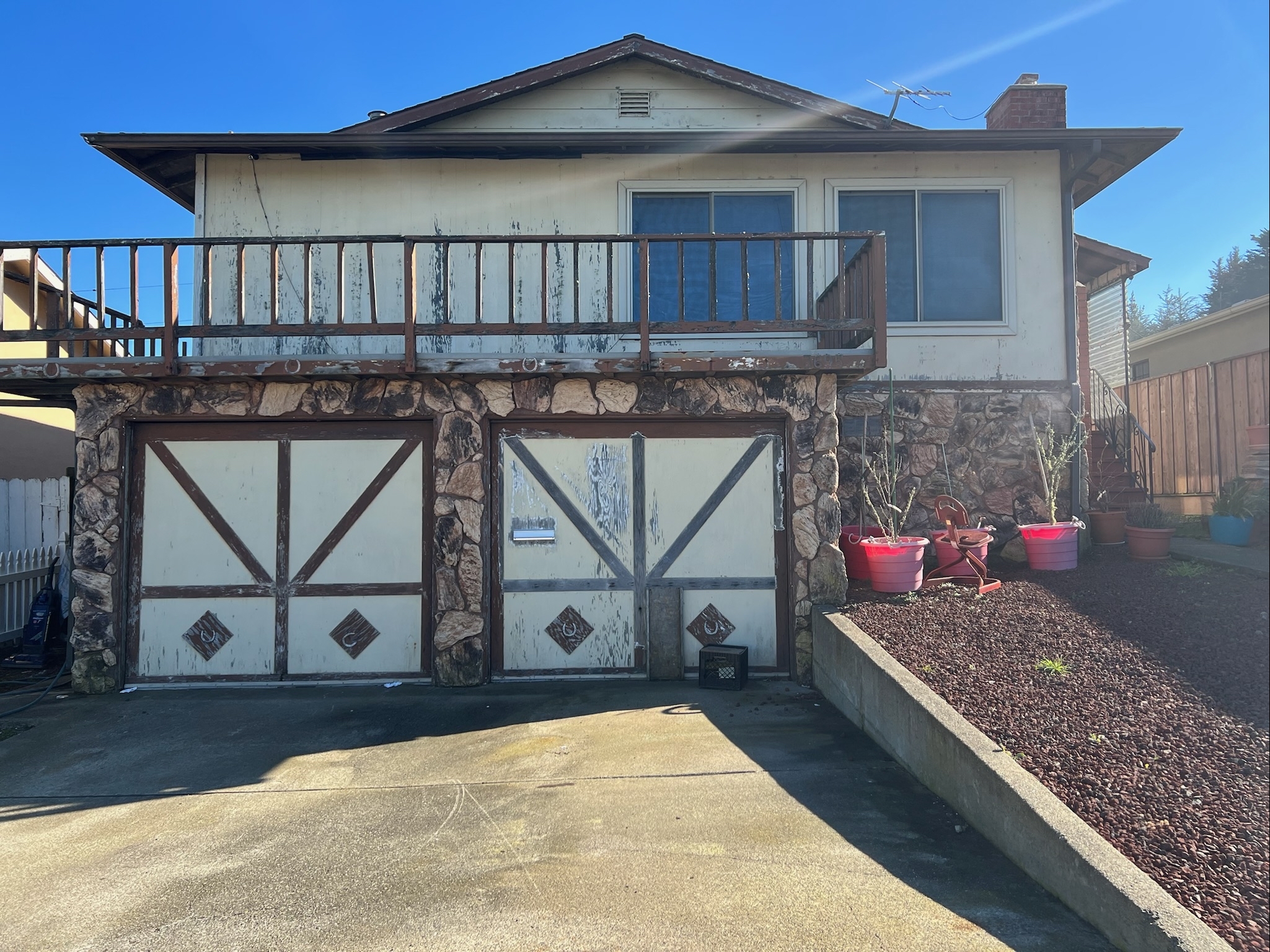
Neither answer is right for every trust, and a good trustee can document why they chose the route they did. We buy houses as-is in San Jose and across the Bay Area, with no repairs or cleanout, and we pay the closing costs. The house pictured above, our San Bruno hoarder home, came from an heir who lived out of state and couldn’t manage a cleanout from hundreds of miles away. If you are weighing it, our page for families selling an inherited San Jose house explains how we work with trustees, executors and their attorneys, and how it works lays out our steps.
If the house is in good condition and the beneficiaries are happy to wait, a listing may well net the trust more. We will tell you that honestly. A written offer gives you a firm number to set beside the agent’s estimate, which is exactly the kind of comparison a trustee should keep on file.
A Successor Trustee’s Order of Operations
Frequently Asked Questions
Can a successor trustee sell a house in California without going to court?
Usually, yes. If the house was titled in the trust and the trust gives the trustee the power to sell, which most family trusts do, the successor trustee can sell it without probate and without a court confirmation hearing. The Probate Code also gives trustees a general power to sell property at a public or private sale unless the trust limits it. A court only gets involved if someone files a petition, for example over a dispute among beneficiaries.
Do I have to wait 120 days after sending the trustee’s notice before I sell?
Not by law. The 120-day period limits how long a beneficiary or heir has to contest the trust after being served with the notice; it doesn’t freeze the trust’s property. But a contest filed during escrow can delay or derail a sale, so if anyone may challenge the trust, many attorneys advise waiting until the window closes. Ask your attorney before you sign a contract.
What does the title company need from a successor trustee?
Typically a certified death certificate, a recorded affidavit showing the death of the prior trustee, and a certification of trust signed by every current trustee in front of a notary. The certification confirms the trust exists, who the trustees are and that they can sell, without revealing who inherits. The title officer may also ask for excerpts of the trust, such as the pages naming you and the power to sell.
Do all the beneficiaries have to agree to sell the house?
Only if the trust says so. Many trusts let the trustee sell on their own judgment. Co-trustees, though, generally have to act together unless the trust provides otherwise. Even when consent isn’t required, sharing the offers and getting the beneficiaries’ agreement in writing protects the trustee and keeps the family on side.
Will a cash buyer work with a trust sale?
Yes. A trust sale is often simpler for a cash buyer than a probate sale, because there is no court hearing to wait for. Peachtree Homes buys inherited and trust-owned houses as-is across San Jose and the Bay Area, pays the closing costs, and works with the trustee’s attorney and escrow on the paperwork. Call (408) 549-7183 for a written offer you can share with the beneficiaries.