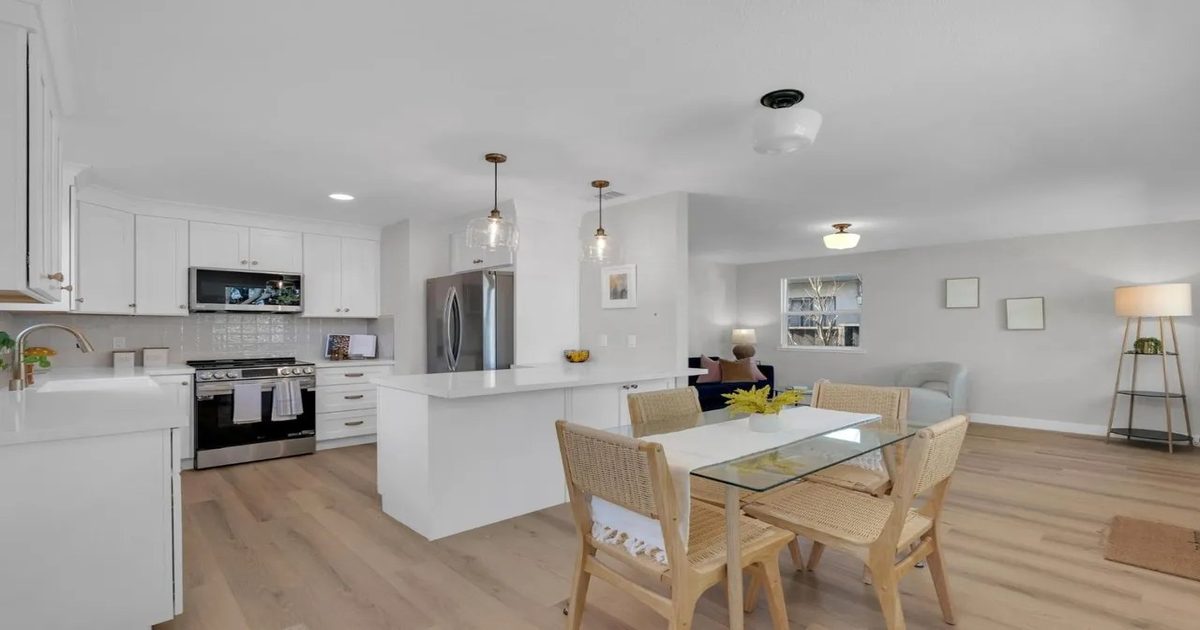
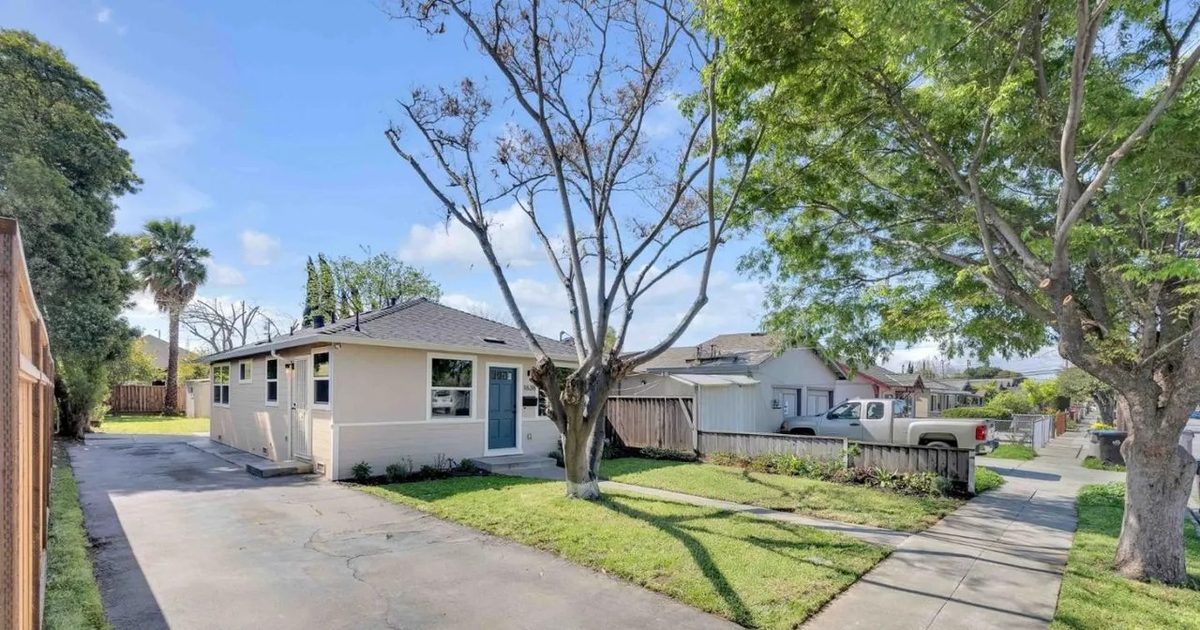
Somewhere in Willow Glen or Cambrian Park there is a house that has been in the same family since the 1970s. The property tax bill on it is small — the kind of number that makes younger neighbors wince with envy — because California’s Proposition 13 froze its assessed value decades ago and only lets it creep up a little each year. Then a parent passes away, the house goes to the kids, and a letter arrives from the Santa Clara County Assessor.
That letter is where a lot of San Jose families first learn about Proposition 19. It changed the rules for inherited homes on February 16, 2021, and it is the single most expensive thing most heirs don’t know about. We buy inherited homes in San Jose regularly, and the reassessment is the reason more often than the condition of the house. This guide walks through exactly what Prop 19 does, the two tests your inherited home has to pass, what the new tax bill actually looks like, the deadlines that quietly decide the outcome — and what your options are if the numbers don’t work.
Property tax law is technical and turns on the specific facts of your transfer, your deed, and your family. This explains how things generally work for Santa Clara County heirs. Before you file anything — or decide not to — talk to a California estate attorney or CPA, and confirm your dates with the Assessor’s office. See also our inherited property page for how we work with heirs and estates.
What Prop 19 Actually Changed
To understand what you lost, you have to know what you had. Under the old rules (Proposition 58, in place since 1986), a parent could pass their principal residence to a child and the property was not reassessed at all — no matter what it was worth. A Sunnyvale house assessed at $180,000 and worth $2 million transferred with the $180,000 assessment intact. Parents could also pass along up to $1 million of assessed value in other property — rentals, a cabin, a duplex — on the same protected basis.
Proposition 19 passed in November 2020 and took effect for parent-to-child transfers on February 16, 2021. It narrowed that in two significant ways:
- The exclusion now only covers the family home (or a family farm). The separate $1 million allowance for rentals, vacation homes, and other non-primary property was eliminated outright.
- Even the family home is only partly protected. The child has to actually live in it, and there is now a cap on how much value can be shielded.
In a market where the median San Jose home sold for about $1.5 million over the past three months, according to Redfin’s market data, that cap is not theoretical. It applies to a very ordinary house on a very ordinary street.
The Two Tests Your Inherited Home Must Pass
The parent-child exclusion is not automatic and it is not granted because you’re family. The transfer has to clear both of these:
The Math: What Your New Tax Bill Becomes
The formula is simpler than it sounds. When fair market value at the date of transfer exceeds the factored base year value plus the exclusion amount, the excess is added on — which works out to:
| Scenario | Child Moves In (exclusion applies) | Nobody Moves In |
|---|---|---|
| Parent’s factored base year value | $200,000 | $200,000 |
| Fair market value at date of death | $1,500,000 | $1,500,000 |
| Value excluded | $1,244,586 | $0 |
| New taxable value | $455,414 | $1,500,000 |
Read that middle column carefully, because it is the part people miss: even when you do everything right, the assessment still goes up. Moving in doesn’t freeze your parent’s number — it shields $1,044,586 of appreciation and reassesses the rest. On the 1% base rate that Prop 13 sets, the annual tax on this house goes from roughly $2,000 to roughly $4,554, and that’s before the voter-approved bonds, school measures, and special assessments that appear on every Santa Clara County bill. In the right-hand column, where nobody moved in, the same house is assessed at full market value.
The Santa Clara County Assessor publishes a Prop 19 parent-child estimator that takes your parent’s base year value and the home’s market value and approximates both the supplemental bill and the ongoing assessment. Use it before you make a decision, not after. The Assessor’s office can be reached at (408) 299-5500. If you’re unsure what the house is currently worth, our guide to the San Jose housing market is a reasonable starting point.
The Deadlines That Decide Everything
Prop 19 outcomes are usually decided by a calendar, not by an argument. Three dates matter, and two of them start running the day your parent dies:
- One year — move in. An eligible child has to occupy the home as their principal residence within one year of the transfer. There is no extension for a slow probate, a job in another state, or a house that needs work first.
- One year — file the homeowners’ exemption. Form BOE-266 must be filed at the time of transfer or within one year of it. This is the paperwork that proves occupancy to the Assessor, and it is separate from the claim form below.
- Three years — file the claim. The parent-child claim is form BOE-19-P, filed with the county assessor within three years of the transfer or before the property is transferred to a third party, whichever comes first. Sell the house before you file, and the claim window closes with it.
One more thing that catches families off guard: the reassessment is billed retroactively to the date of the transfer through a supplemental assessment. The envelope may not arrive for months, but it covers the time that has already passed — so an estate that has been sitting quietly since spring can receive a bill in the fall for the whole stretch. If the estate has no cash in it, that bill lands on the heirs personally.
What Happens If Nobody Moves In
This is, in our experience, the most common outcome in San Jose — and it’s nobody’s fault. Adult children are typically in their forties, fifties, or sixties by the time they inherit. They already own homes. They live in Sacramento, or Austin, or Portland. Three siblings inherit a house and none of them can move into it, or only one wants to and the other two would rather have their share.
When no eligible child makes it a principal residence, the parent-child exclusion simply doesn’t apply. The property is reassessed at full fair market value as of the date of death. And because Prop 19 eliminated the old exclusion for non-primary property, the answer is the same for a rental your parent owned or a second home — there is no version of the exclusion that covers those anymore, regardless of who moves in. If you’ve inherited a tenant-occupied property and are weighing whether to keep it, our tired-landlord page and the landlord’s guide to selling with tenants in place cover that side of it.
Where it gets genuinely technical is partial interests — one sibling moving in while two others hold shares, homes held in trusts, or transfers structured through an entity. Those cases turn on who holds the beneficial interest and how the documents read, and they are worth an hour with a California estate attorney rather than a guess. Our step-by-step guide to selling an inherited house in San Jose covers the probate and multiple-owner mechanics in more detail.
Your Options When the Numbers Don’t Work
Once you know which column of that table you’re in, the decision usually comes down to three paths:
This is the outcome Prop 19 was written to protect, and when it fits, it’s worth real money every year for as long as you own the house. File the homeowners’ exemption immediately and the BOE-19-P promptly. Just go in clear-eyed: the assessment rises even in the best case, and it rises further each year under Prop 13’s inflation factor.
Renting means no exclusion, full market-value assessment, and a property tax line that is often several times what your parent paid. Run that number against realistic Bay Area rent before you commit — along with insurance, deferred maintenance on a house that may not have been updated in decades, and the cost of getting it rent-ready. Plenty of families discover the math only works on paper.
Selling ends the tax question entirely and converts a contested asset into cash that divides cleanly. There is also a real tax advantage most heirs don’t realize they have: inherited property generally receives a stepped-up cost basis to its value at the date of death, so selling soon after often means little or no capital gain — a very different picture from selling a home you’ve owned for decades. Confirm your specific basis with a CPA.
Find Out What the House Is Worth Before the Deadline Does
A free, no-obligation cash offer gives you and your siblings a real number to weigh against a reassessed tax bill — and there’s no cleanout, no repairs, and no showings involved.
Selling an Inherited Home: Cash vs. Listing
If selling is the answer, the next question is how — and inherited homes behave differently from ordinary listings. They’re often full of forty years of belongings, they may have deferred maintenance nobody addressed in the last decade, and the decision usually has to be made by several people who don’t live in the same state.
One offer, agreed once. We buy as-is — you can leave behind whatever you don’t want, and we handle the cleanout — there are no repairs to fund, no showings to coordinate across time zones, and no financing to collapse. Escrow can disburse each heir’s share directly at closing, and we can time the close around probate or a trust administration. See how our process works, compare all your options side by side, or look at a San Jose home we bought with overwhelming repairs.
There’s no universally right answer here — it depends on the condition of the house, whether an heir actually wants to live in it, and how much the family is willing to carry while they decide. What we’d say honestly is this: the deadlines are short, the reassessment is retroactive, and the worst outcome is drifting past the one-year mark without having made a decision at all. For the fast path start to finish, see our guide on how to sell your house fast in San Jose, or browse the full FAQ for the questions heirs ask us most.
Frequently Asked Questions
Does inheriting a house in San Jose automatically raise the property taxes?
Not automatically — but it does unless the transfer qualifies for the Proposition 19 parent-child exclusion. Prop 19 took effect for intergenerational transfers on February 16, 2021. If the exclusion does not apply, the county reassesses the home at its full fair market value as of the date of death, and the new tax bill is based on that value instead of your parent’s long-held Proposition 13 assessment. In Santa Clara County, where many homes have been in the same family for decades, that reset can multiply the annual property tax several times over.
What are the requirements for the Prop 19 parent-child exclusion in California?
There are two tests. First, the home has to have been the parent’s principal residence, and at least one child who inherits it must make it their own principal residence — and continue living there. The transferee must file for the homeowners’ or disabled veterans’ exemption within one year of the transfer to establish that. Second, there is a value cap: the exclusion is limited to the property’s factored base year value plus an exclusion amount that is adjusted every two years for inflation. For transfers between February 16, 2025 and February 15, 2027 that amount is $1,044,586, according to the California State Board of Equalization.
How is the new assessed value calculated if my inherited home is worth more than the Prop 19 cap?
When the fair market value at the date of transfer exceeds the factored base year value plus the exclusion amount, the excess is added to the base year value. In practice, the new taxable value equals the fair market value minus the exclusion amount. For example, on a home with a factored base year value of $200,000 that appraises at $1,500,000, the excluded portion is $1,244,586 and the new taxable value becomes roughly $455,414 — higher than before, but far below a full reassessment to $1,500,000. The Santa Clara County Assessor’s office publishes a Prop 19 parent-child estimator that will run your specific numbers.
What happens if none of the heirs move into the inherited San Jose house?
The parent-child exclusion does not apply, and the property is reassessed at full fair market value as of the date of death. This is the most common outcome we see, because adult children often already own homes, live out of the area, or want to rent the property out instead. Prop 19 also eliminated the old exclusion that used to cover rentals, vacation homes, and other non-primary properties, so a second home or investment property inherited from a parent is reassessed regardless of who moves in.
What is the deadline to file the Prop 19 exclusion claim?
The claim form is BOE-19-P, filed with the county assessor. Per the California State Board of Equalization, it must be filed within three years of the date of death or transfer, or before the property is transferred to a third party, whichever comes first. The separate homeowners’ exemption that proves principal residence has to be filed within one year of the transfer. Missing either deadline can cost the exclusion, so confirm both dates with the Santa Clara County Assessor’s office at (408) 299-5500 early rather than late.
Can I avoid the reassessment by putting the house in an LLC or a trust?
Generally no, and this is where heirs get into trouble with well-meaning advice found online. A trust does not by itself avoid reassessment — what matters is who ends up with the beneficial interest and whether the principal-residence and value-cap tests are met. Transfers into entities can trigger a change in ownership on their own. California’s change-in-ownership rules are technical and fact-specific, so this is a question for a California estate attorney or CPA who can look at your actual documents, not something to decide from a general article.
Can Peachtree Homes buy an inherited San Jose house that is facing a big reassessment?
Yes. Heirs who cannot carry a reassessed tax bill are one of the most common situations we work with in San Jose. We buy inherited homes as-is — no repairs, no cleanout, no showings — and we can coordinate timing around probate or a trust administration. If several siblings own the property together, escrow can pay each person’s share directly at closing, which removes the argument about who covers the taxes while everyone decides. Call (408) 549-7183 to talk through the specifics, or see our inherited property page.