Inheriting a Home in San Jose: What You're Dealing With
Inheriting a house in San Jose sounds like a windfall — and sometimes it is. But more often, it comes with complications that heirs aren't prepared for: a home that needs significant repairs, property taxes that start accruing immediately, utilities and insurance that need to stay active, and sometimes disagreements among multiple siblings or family members about what to do next.
If the estate has to go through probate — and in California, most estates do unless assets were specifically set up to avoid it — you may be waiting months before you're even legally allowed to sell. Meanwhile, the carrying costs add up: property taxes in Santa Clara County average around $1,100 per year per $100,000 of assessed value, plus homeowner's insurance, utilities, and any maintenance needed to prevent deterioration.
We've helped dozens of Bay Area families navigate inherited property sales — quickly, compassionately, and without the complications of a traditional listing.
Understanding Probate in California
Probate is the court-supervised process of validating a will (or establishing who heirs are if there's no will) and authorizing the executor or administrator to transfer assets. In Santa Clara County, probate is handled by the Santa Clara County Superior Court, Probate Division, at 191 N. First Street, San Jose, CA 95113.
Here's what the California probate timeline typically looks like:
- File for probate: The executor files the will (or estate administration petition) with the Clerk. This typically happens within 60 days of death.
- Letters Testamentary issued: Once approved, the executor receives Letters Testamentary — the legal authority to act on behalf of the estate, including signing a sales contract.
- Estate inventory and creditor notification: The executor must inventory assets and publish a notice to creditors. Creditors have 90 days to file claims.
- Sale can proceed: Once Letters Testamentary are issued, a sale of real property can typically move forward — but the deed can't transfer until the estate is ready to close.
- Distribution to heirs: After debts are paid, remaining assets (including home sale proceeds) are distributed to heirs per the will or California intestate succession law (California Probate Code § 7000 et seq.).
The good news: you don't necessarily have to wait until probate is fully closed to sell. With Letters Testamentary in hand, the executor can enter a sales contract. We coordinate with your estate attorney to time closing appropriately.
What If There Are Multiple Heirs?
This is where inherited property gets complicated fast. If you and your siblings (or other family members) each inherited a share of a San Jose home, all heirs must agree to sell — or a court can order a partition sale, which typically yields below-market results and costs everyone in legal fees.
We've worked with inherited properties involving 2 to 8 heirs. Our process:
- We make one offer — to the estate or all heirs collectively
- Each heir signs relevant documents at closing (or via mail/DocuSign if out of state)
- Proceeds are divided per the will or your agreement
- We work with your estate attorney to ensure everything is handled correctly
We can also close with some heirs out of state — not uncommon when a Bay Area parent passes and adult children have moved to other cities. Remote signings are routine.
Selling an Inherited Home As-Is in San Jose
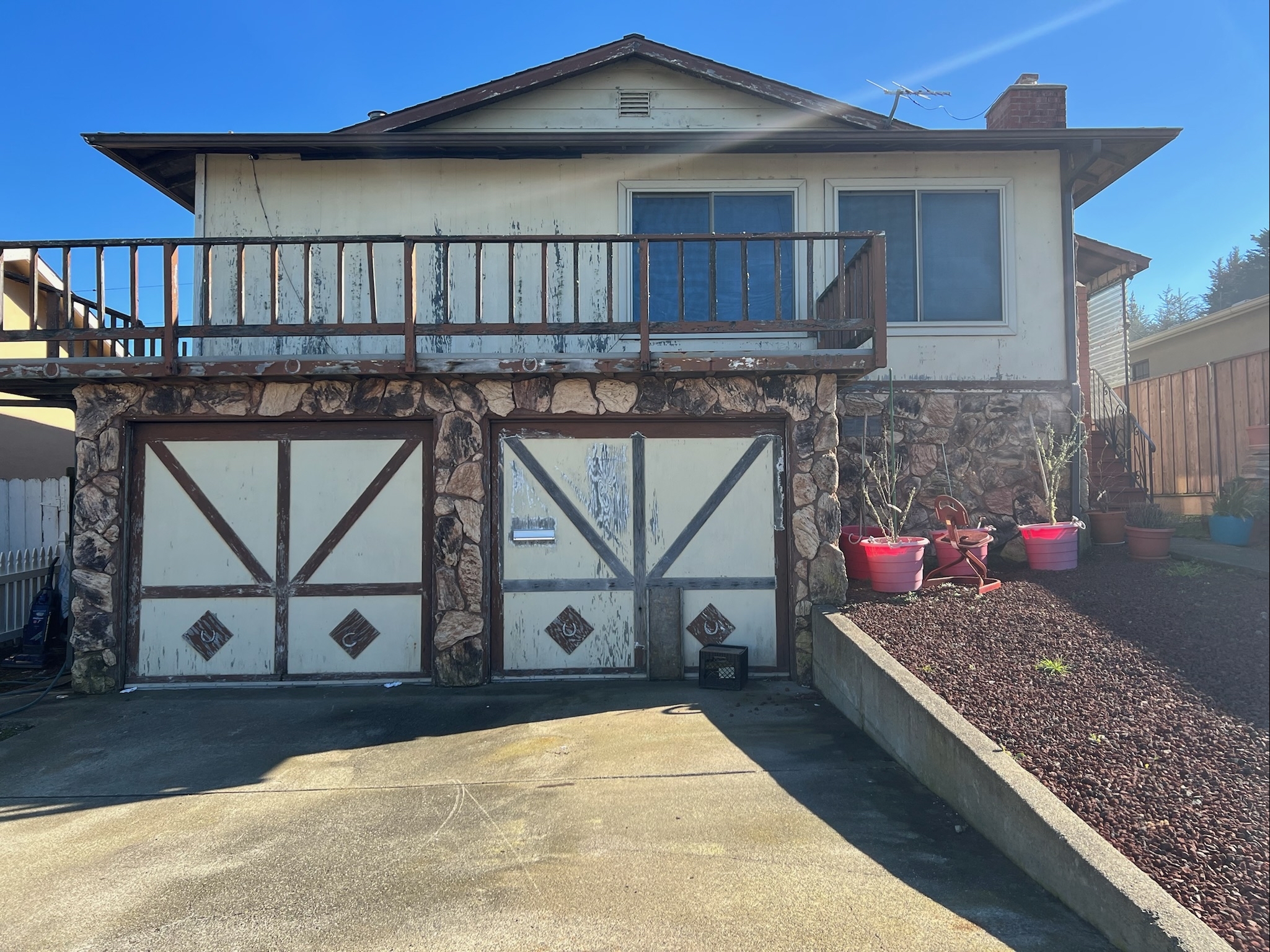
Most inherited San Jose homes we buy need work. Sometimes significant work. Roofs, HVAC systems, plumbing, and kitchens that haven't been updated in decades are common. Occasionally there's a hoarding situation or deferred maintenance that would be overwhelming for a family already dealing with grief.
We buy it all, exactly as it sits. You don't need to clean out decades of belongings, fix anything, or even remove items you don't want. We handle all of that after closing. The estate gets cash, and you can focus on everything else that comes with losing a loved one.
California Inherited Property and Capital Gains Tax
One significant advantage heirs often aren't aware of: inherited property receives a stepped-up basis for capital gains tax purposes. This means your cost basis for tax purposes is the property's fair market value at the time of inheritance — not what your parent or relative originally paid for it. If you sell quickly after inheriting, your capital gains tax liability may be minimal or zero, even if the property has appreciated significantly over decades.
Always consult a CPA or tax attorney for your specific situation. California does not have a separate state estate tax below the federal threshold; consult a CPA for estates (over $5.49 million federally as of 2024). For most inherited San Jose homes, federal and state tax implications are manageable.
California Resources for Inherited Property
- Santa Clara County Superior Court, Probate Division: (408) 882-2100 — estate administration questions
- Santa Clara County Bar Association Lawyer Referral Service: (408) 971-6822 — find a San Jose CA estate or probate attorney
- Bay Area Legal Aid: baylegal.org — free help for qualifying estates
- California Franchise Tax Board: ftb.ca.gov