Your San Jose Sale Just Fell Through. What Now?
Most California escrows that collapse do so for reasons written into the contract on day one. A typical resale contract gives a financed buyer contingencies for the loan, the appraisal and their own investigation of the property, each with its own removal deadline. Until the buyer removes a contingency in writing, they can usually cancel under it and take their deposit back. So when a deal dies three weeks in, it is rarely a surprise to the contract. It is just a surprise to you.
The first job is to work out exactly why it failed, because that tells you whether the next buyer is likely to run into the same wall.
The Usual Reasons a Bay Area Escrow Collapses
- The loan. Final approval comes late in escrow. A rate move, a job change or new debt on the buyer's side can kill it days before closing.
- The appraisal. If the appraiser's figure lands below the contract price, the lender will only lend against the lower figure. The buyer covers the gap in cash, asks you to cut the price, or cancels.
- The inspection. Older South Bay houses regularly turn up foundation cracks, a tired roof, a failing sewer lateral or unpermitted work. The buyer asks for repairs or a credit and walks away if you refuse.
- The buyer's own sale. Some offers depend on the buyer selling their current home first. When that sale stalls, yours does too.
What Happens to the Buyer's Deposit
It depends on whether the buyer cancelled under a contingency they still held. If they did, the deposit normally goes back to them. If they had already removed their contingencies and then simply failed to close, you may have a claim to it. Where both sides initialled a liquidated damages clause, California presumes a forfeit of up to 3% of the price is valid on a home of one to four units that the buyer meant to live in (Civ. Code 1675).
Either way, escrow will not release the money on one side's say-so. It needs signed cancellation instructions from both parties, or a decision from a court or arbitrator. Speak with your agent or a real estate attorney before you sign a cancellation, especially if the deposit is in dispute.
Relist or Take a Cash Offer?
Relisting is often the right move when the failure was about that particular buyer: a job change, cold feet, a home they could not sell. A well-kept house in a sought-after part of San Jose can find another buyer, and nothing about it needs to change.
A cash offer makes more sense when the cause will follow the house into the next escrow. An appraisal that will not stretch, a condition problem lenders dislike, or a deadline you no longer have room for, such as a recorded foreclosure notice or a purchase of your own that depends on this sale. Our offers carry no loan, no appraisal and no inspection contingency, and the condition is priced in before you accept rather than argued over afterwards. If time is now the main issue, our page on how quickly a cash sale can close sets out the timeline.
What Helps Us Step In Quickly
- The cancellation status. We close only after the first escrow is formally cancelled. If it is still open or in dispute, we can sign a backup offer so you are not starting over from nothing.
- The preliminary title report from the failed escrow, if you have it. It shows us the loans, liens and owners straight away.
- Any inspection reports the old buyer shared, and the disclosures you already completed, such as the Transfer Disclosure Statement and the Natural Hazard Disclosure.
- Your date. Tell us the deadline you are working to and we will say plainly whether we can meet it.
A Seller Who Needed It to Close
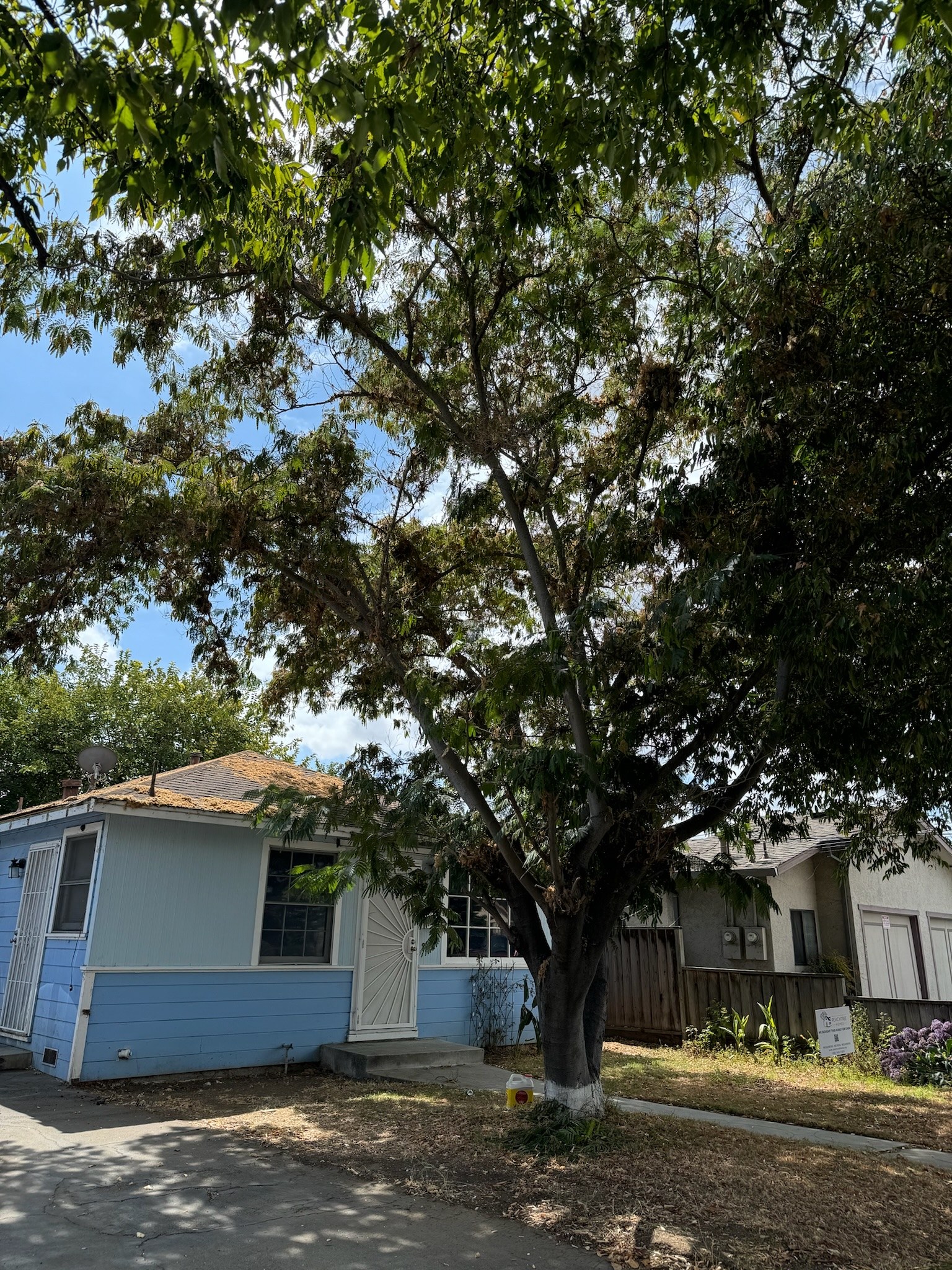
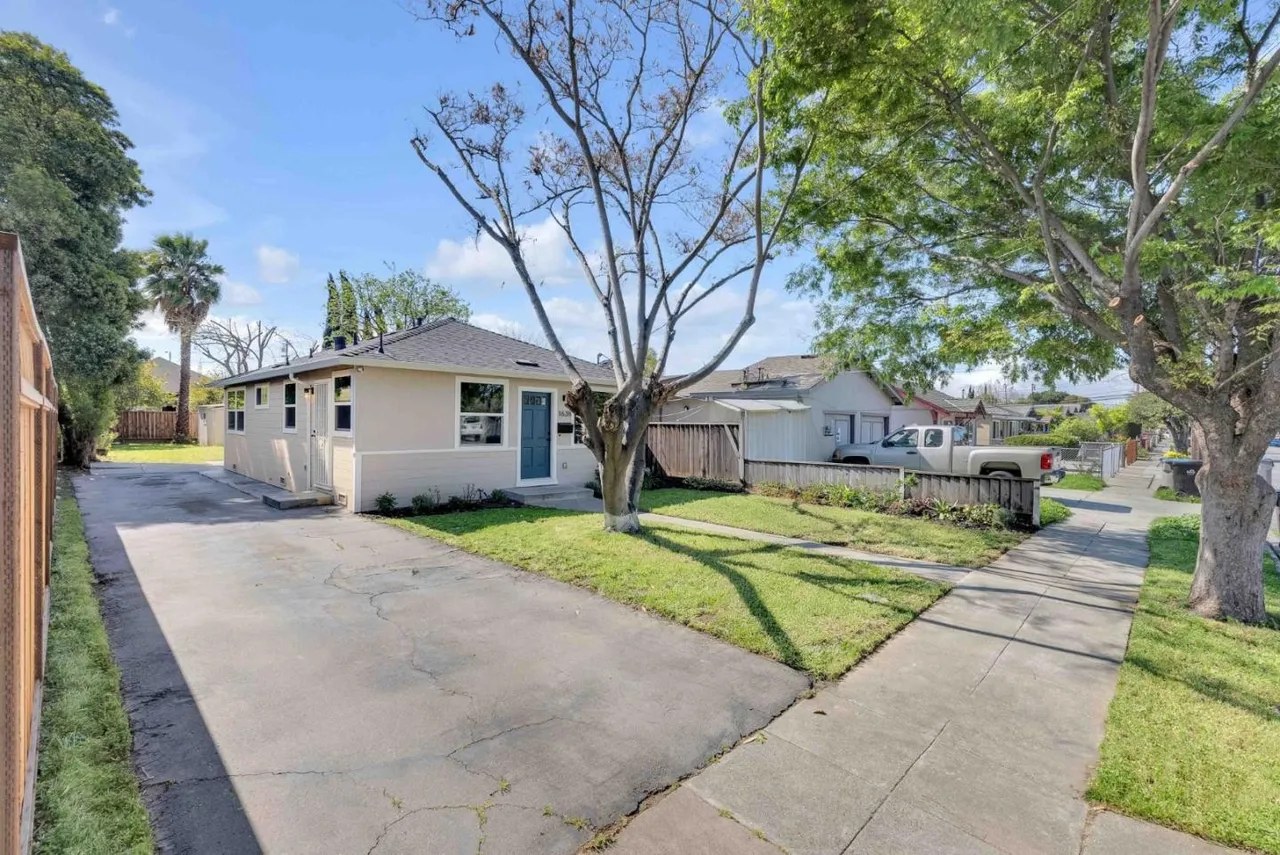
The seller of the Calico House on Whitton Ave was leaving California and wanted a clean break. The house needed work across every major system, and an unpermitted patio structure out back would have had to be disclosed and dealt with in a traditional sale, the kind of item that complicates things once a buyer's lender gets involved. We bought it as it stood, on the seller's timeline.
The Trade-Off, Stated Plainly
Certainty is what you are paying for. Our offer will be below the top price a perfect buyer might pay after repairs. What you get back is a price that does not move between signing and closing, no commission, closing costs paid by us, and no second round of contingency deadlines. If you want to compare both paths in numbers first, our cash buyer versus realtor guide does that.
- No loan, appraisal or inspection contingency in our offer
- The price we write is the price at closing
- BBB Accredited with an A+ rating
- No fees or commissions, and we pay the closing costs