What "Selling As-Is" Really Means in San Jose
Most San Jose owners who ask about selling a house as is mean one thing: they do not want to spend money or months on repairs first. An as-is clause in an ordinary listing only gets you part of the way there. The buyer keeps an inspection contingency, sends a request for repairs or a credit once the home inspector and the termite company have been through, and depends on an appraiser and an underwriter who both look at condition. Any one of them can reopen the price or end the escrow. If that happens, the house goes back on the market, and whatever the last buyer's inspector found is now something you know about and have to disclose to the next one.
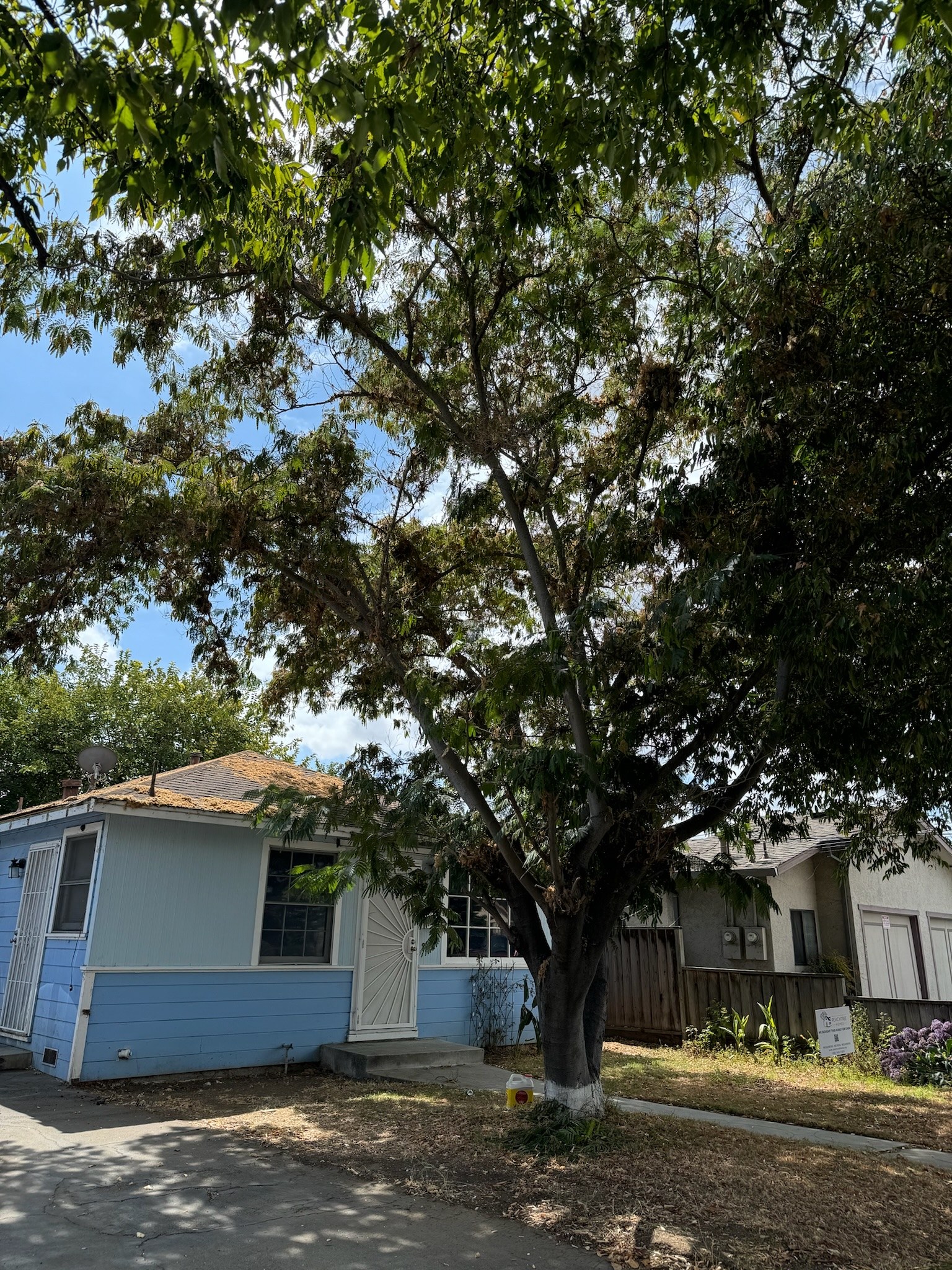
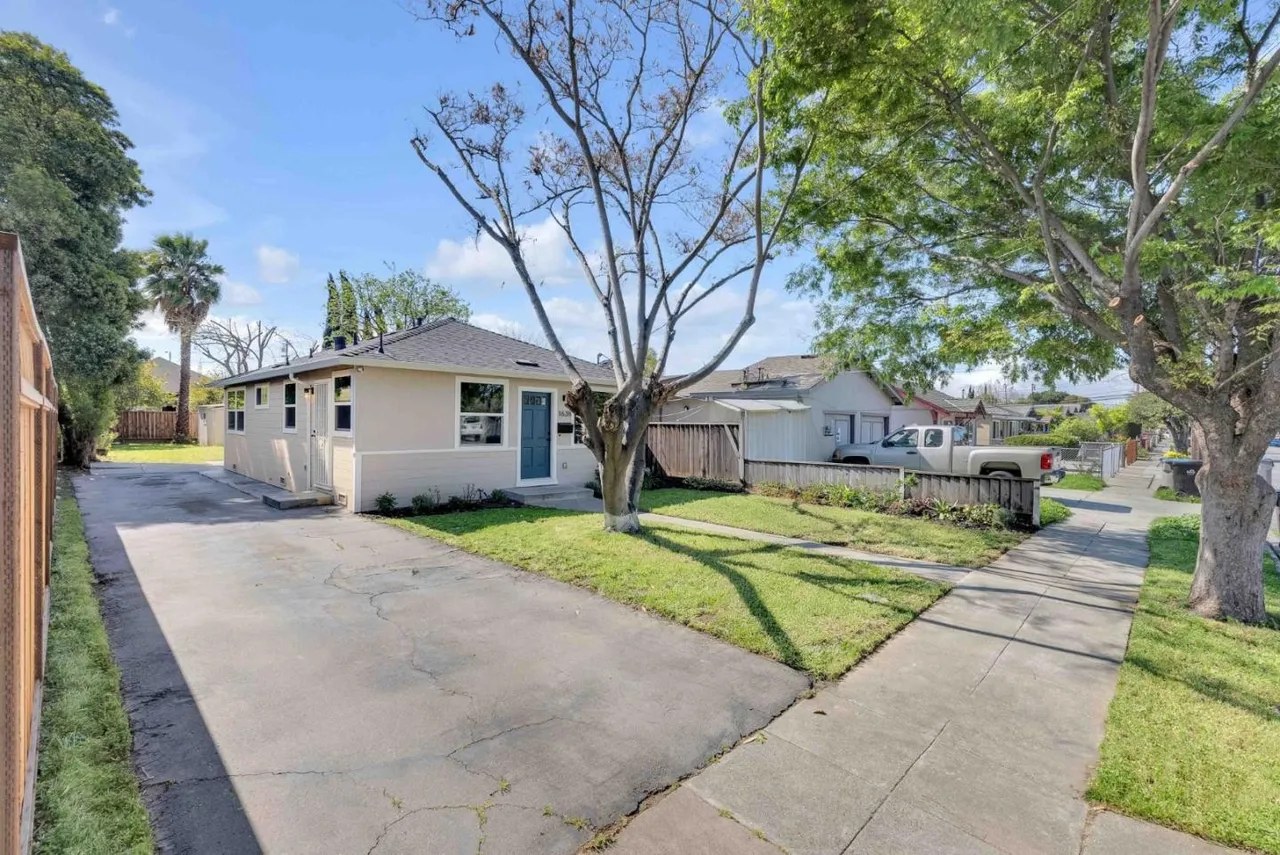
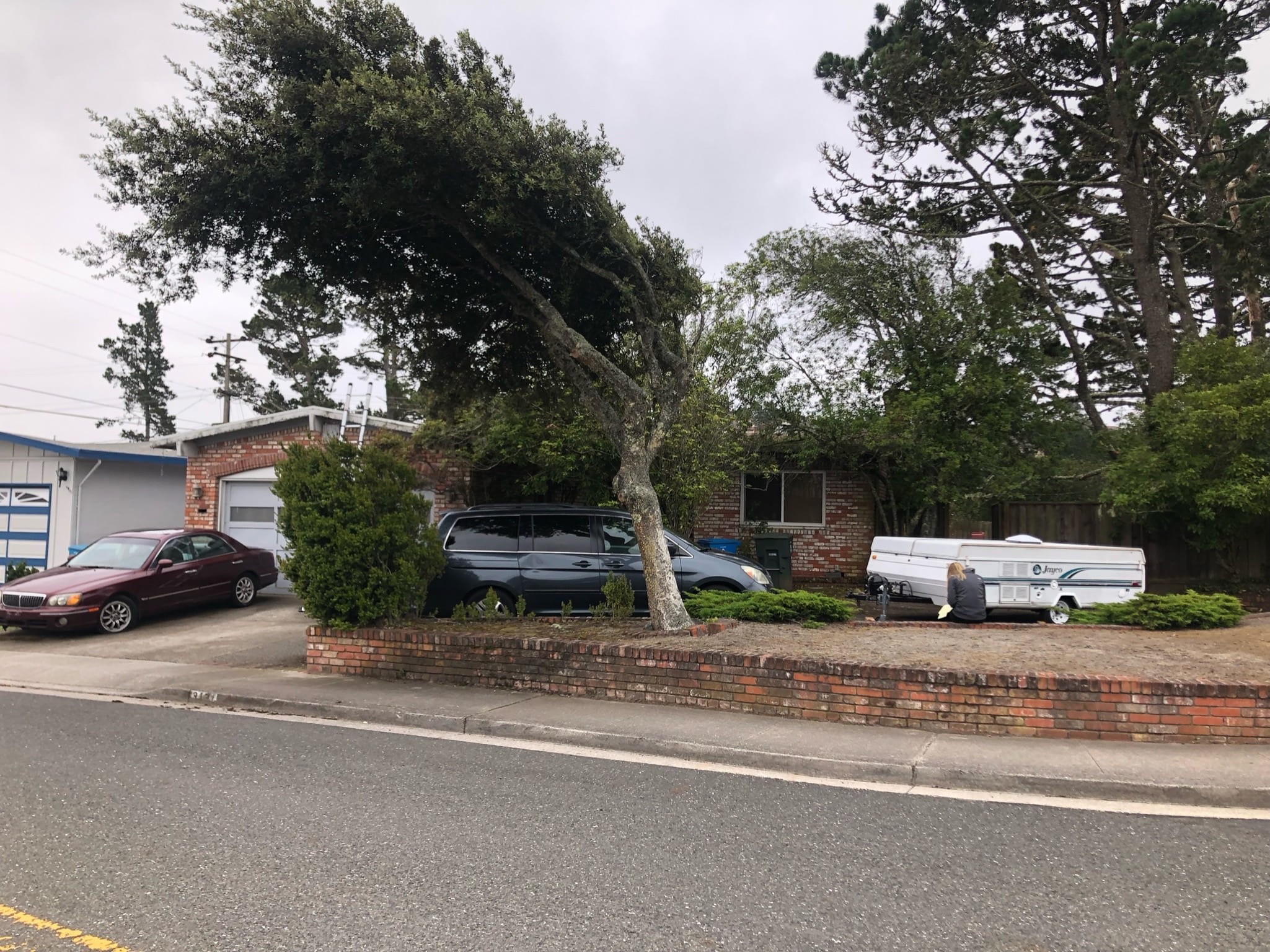
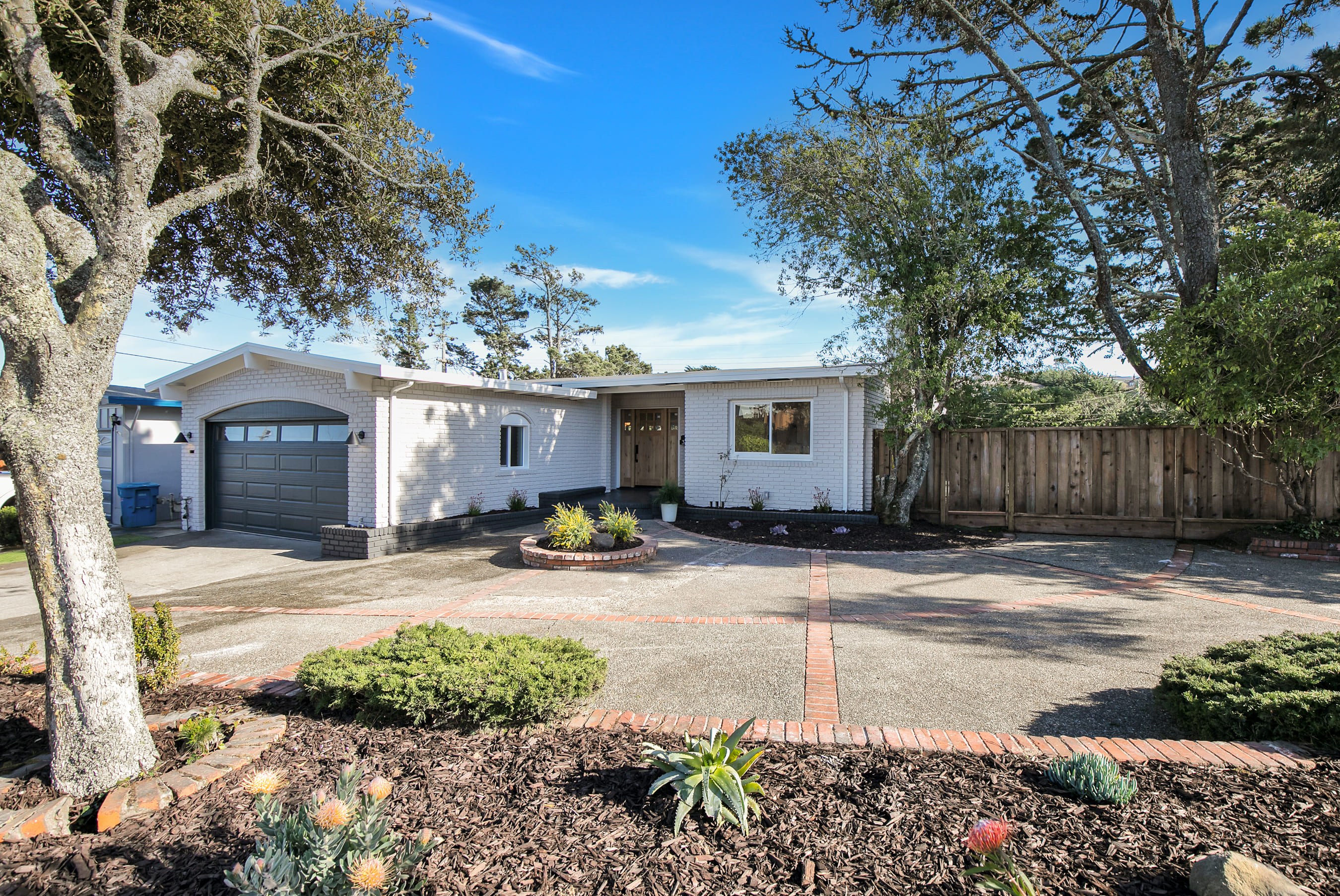
A sale to Peachtree Homes has no repair-request stage. We walk through the house, price it in the condition we find it, and pay cash, so there is no lender's appraiser or underwriter waiting to hand you a list of required fixes. You still sign California's seller disclosures, but nobody asks you to repair what is written on them. That's how we buy houses in San Jose, whatever shape they're in.
What Kinds of Damage Do We Buy in San Jose?
These are the conditions San Jose and Santa Clara County owners call us about most often. Each one becomes our problem after closing, and you make no repairs before it:
- Mold and moisture: Black mold behind a shower wall, in a damp crawlspace or under a slow roof leak. You do not need a remediation contractor or a clearance test before selling to us; that cost goes into our numbers instead of your budget.
- Fire and smoke: Anything from a scorched kitchen to a house the City has posted as unsafe. The fire section further down this page covers the insurance claim and the red tag.
- Water damage: A burst supply line, a failed water heater, a leaking radiant-heat line in an Eichler slab, or a wet winter of roof leaks into the ceiling.
- Foundation and soil movement: Cracked slabs, doors that stick, sloping floors and settled piers. Expansive clay soil in parts of the valley swells and shrinks with the seasons, and the raised foundations under older Willow Glen and Rose Garden bungalows are often not bolted to the framing.
- Worn-out roofs: Tired composition shingles, rotted decking, and the low-slope tar-and-gravel or foam roofs on 1950s and 1960s tract homes that have started to leak.
- Unpermitted work and code cases: A garage converted into a bedroom, a backyard unit built without permits, a bathroom added decades ago, or an open notice from Code Enforcement. We take on the permits or the removal with the City once we own the house — see our full guide to selling a house with code violations in San Jose.
- Termites and dry rot: A pest report with Section 1 items (active infestation or the damage it caused) and Section 2 items (conditions likely to lead to it, such as wood touching soil or a plumbing leak). Financed buyers often want Section 1 work cleared before closing; we don't.
- Hoarding and heavy clutter: Rooms you cannot walk through, decades of belongings, biohazard cleanup. Leave it where it is; the cleanout is ours.
- Old wiring, plumbing and mechanicals: Knob-and-tube circuits, a Federal Pacific or Zinsco panel, galvanized supply pipe, a clay or Orangeburg sewer lateral, a furnace that no longer runs.
- Vacant, vandalized or condemned: Copper pulled from the walls, broken windows, a house the City has ordered vacated. Depending on the circumstances, we can buy those as well.
Why Repairs Are More Expensive Than Most San Jose CA Sellers Expect
Bay Area construction is among the most expensive in the country, and the bill for a pre-sale repair is rarely just the contractor's quote. In San Jose, anything structural, electrical, plumbing or mechanical generally needs a permit from the City's Department of Planning, Building and Code Enforcement, which brings plan review, inspections and a final sign-off before the work is done. Older homes add surprises: once a wall or floor is opened, outdated wiring, old pipe or dry rot behind it often has to be brought up to current code before the inspector will close the permit.
The jobs that most often turn an as-is decision are the big ones:
- Roof replacement, especially when the decking under it has rotted
- Furnace, AC or water heater replacement, and the electrical panel upgrade that sometimes comes with it
- Mold remediation after a slow leak, plus the repair of whatever caused it
- Foundation work on raised or settling foundations, usually after an engineer's report
- Sewer lateral repair or replacement on older clay lines
- Fire and smoke restoration, which can mean stripping a room back to the framing
Get written quotes before you decide; a number you can hold in your hand beats any rule of thumb. If the work adds up to more than you can fund or wait for, a traditional listing gets harder. Most retail buyers use a mortgage, and their lender's appraiser reports on condition; FHA and VA loans have written minimum property standards, and conventional lenders can also make safety repairs a condition of the loan. The more serious the defect, the more the buyer pool narrows to cash buyers anyway.
The True Cost of Listing a Damaged San Jose CA Home
The list price is the number people remember. The net is what reaches you from escrow after everyone else has been paid, and on a house that needs work the distance between the two is usually wider than the owner planned for:
- Agent commissions: negotiable, and on a seven-figure San Jose price even a small percentage is a large check — ask any agent for their rate in writing
- Repair requests or credits after the buyer's inspection, which reopen the price you thought you had agreed
- Section 1 termite work, a sewer lateral repair or a permit sign-off that the buyer or lender asks for once escrow is already open
- Carrying costs for every month the house is being prepared, listed and in escrow: mortgage, property tax, insurance, utilities
- Hauling, cleaning, paint and staging so the house photographs well enough to go on the market
- The risk of a deal falling apart over financing or inspection, which puts you back on the market and starts the clock again
Put those lines next to a cash offer before you choose. With a damaged San Jose house, the listing route rarely nets what its asking price suggests, and you carry the chance that the buyer cancels after you have already paid for work or turned down other offers.
How We Price As-Is San Jose CA Homes
An offer from us starts with recent Santa Clara County sales of renovated homes near yours. From that figure we subtract what we expect the work to cost, the months we will own the house while it is permitted and rebuilt, closing costs, and a margin for the risk we are taking on. The discount is real, and it pays for repairs and uncertainty that would otherwise land on you. As an illustration only, not a quote: if a fully renovated version of your San Jose home would sell for $1,200,000 and the work runs $80,000, an offer after carrying costs, closing costs and our margin would come in somewhere around $980,000–$1,050,000. Your house and your street set the real number.
Ask, and we will show you each line of that calculation.
If repairs are only one part of your decision, our guide to selling your San Jose house fast covers the timeline, the costs on each route and how a cash offer is put together.
When the problem is structural, a worn-out roof, a broken sewer lateral or work done without a permit, our guide to selling a San Jose house that needs major repairs sets out what California requires you to disclose and how lenders react to each of those defects. If the house needs a cosmetic reset rather than structural work, our Garlic House project in Gilroy shows a two-story family home we bought as-is from sellers who were relocating and downsizing.
Selling a Fire-Damaged House As-Is in San Jose
A fire is one of the most common reasons San Jose owners call us about an as-is sale, and it is the situation where the order of steps matters most. Before you decide whether to rebuild or sell, these are the pieces to line up:
- The insurance claim stays yours. Selling the house does not hand your claim to the buyer. Under a replacement-cost policy the insurer usually pays the actual cash value first and holds back the rest until the work is done, and California Insurance Code section 2051.5 gives you at least 12 months from the first payment to collect it. Ask your adjuster, in writing, what happens to that holdback if you sell unrepaired, and do not sign a full release just to clear the way for escrow.
- Additional living expenses (ALE). Your policy's loss-of-use coverage pays for a rental and the extra cost of living elsewhere while the house is unlivable. For losses tied to a declared state of emergency, Insurance Code section 2060 sets a minimum of 24 months; a single-house fire normally follows your policy's own terms, so ask how the coverage ends if you sell instead of rebuilding.
- Your lender is on the check. If you have a mortgage, the structure payment is usually made out to you and your lender jointly. A sale pays the loan off at closing, which can make it simpler to get the rest of the claim money released.
- City of San José permits and red tags. If the City posted the house as unsafe to occupy, often called a red tag, nobody can live in it until it is cleared, and fire repairs need building permits from Planning, Building and Code Enforcement. A cash buyer can take the house with the placard and the permit work still ahead, so you do not have to manage a rebuild to sell.
- Disclosure still applies. Selling as-is does not excuse disclosure. California's Transfer Disclosure Statement asks directly about major damage from fire, and the Natural Hazard Disclosure report tells a buyer whether the lot sits in a mapped fire hazard severity zone. Disclose the fire, the repairs done so far and the claim.
- Property tax relief. You can ask the Santa Clara County Assessor to reassess a home damaged by a fire or other calamity; the claim is generally due within 12 months of the damage.
We buy fire-damaged houses in San Jose as they stand: burned, smoke-damaged, boarded or red-tagged, with the claim still open. For the full sequence — how the holdback works, what to do in the first days, and how to time a sale around the claim — read our guide to selling a fire-damaged house in San Jose.