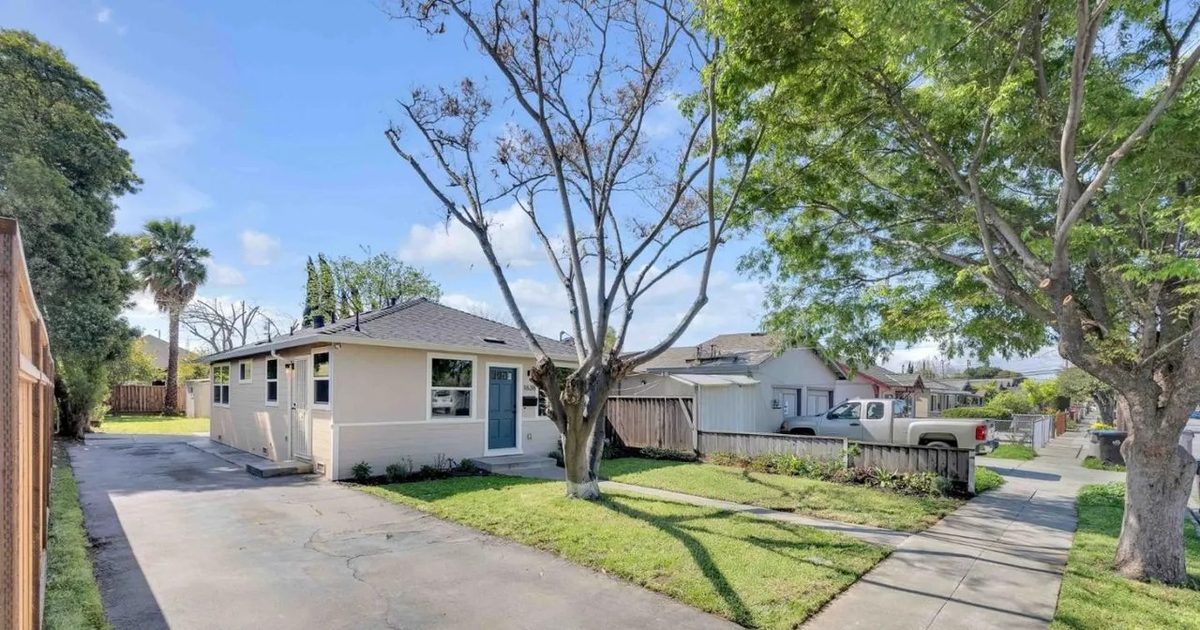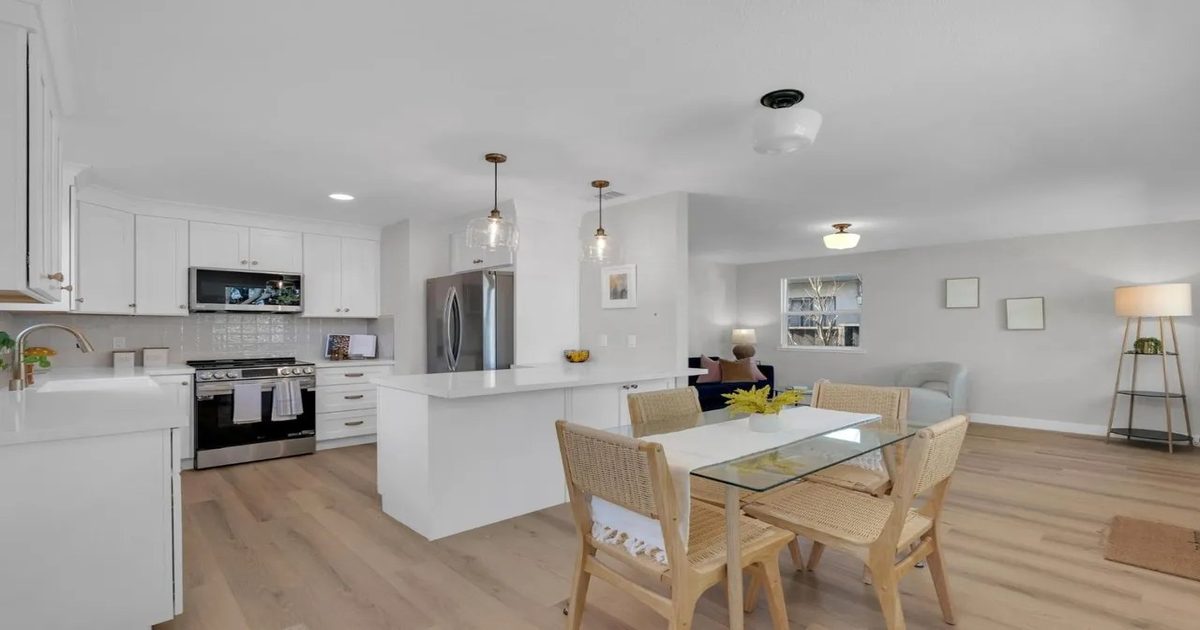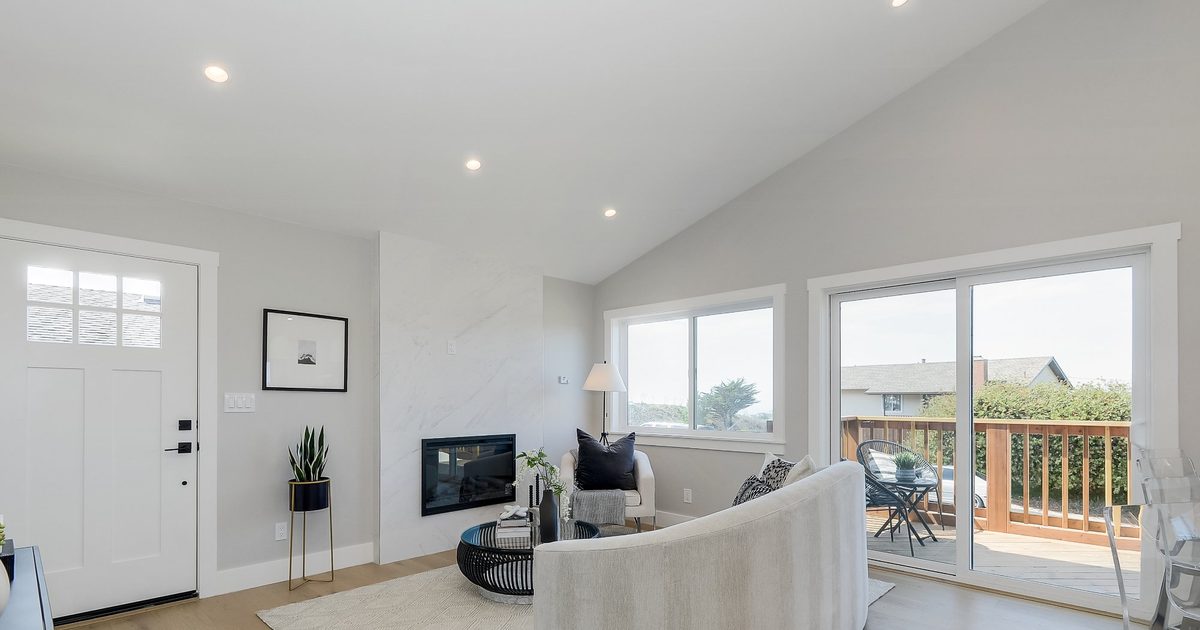
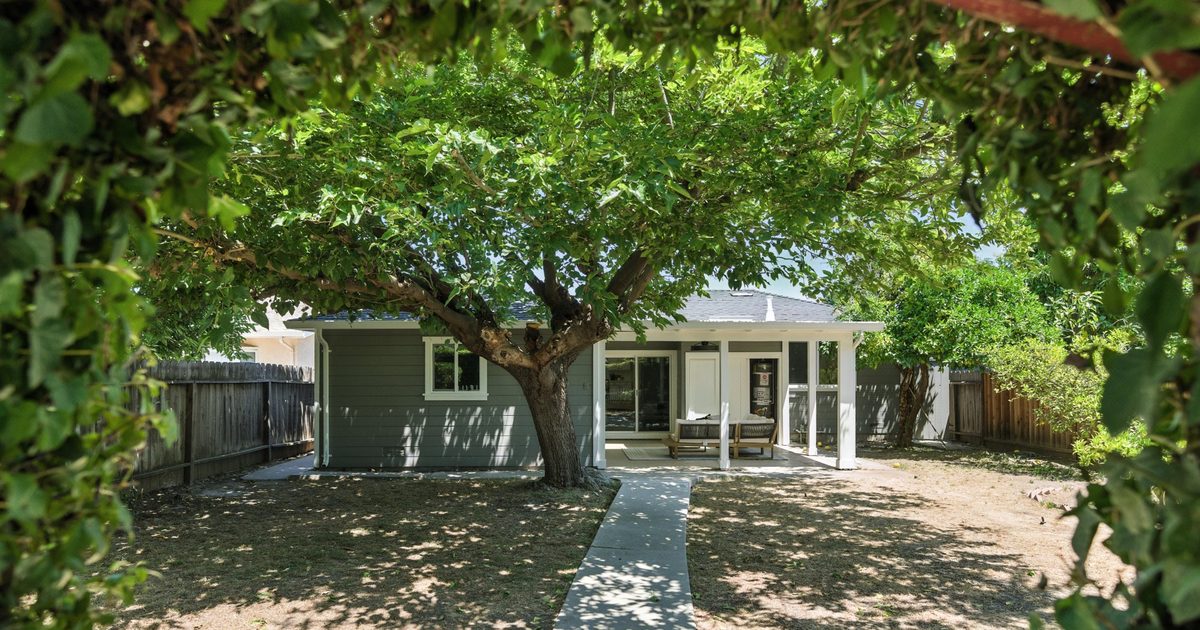
The call usually comes from someone who has lived in the same San Jose house for thirty or forty years. Willow Glen, Cambrian Park, the Rose Garden, Blossom Valley. The kids are gone, the stairs have started to matter, the yard is more work than pleasure, and everyone in the family agrees it is time to move somewhere smaller. Then, somewhere in the conversation, one sentence stops the whole thing cold: “But we can’t move. Our property taxes are nothing. We’d never get that again.”
That belief kept an entire generation of Bay Area homeowners frozen in houses that stopped fitting them years ago. It was also true — for a long time. Under Proposition 13, a home bought in 1984 is still assessed close to its 1984 value, adjusted upward by no more than 2% a year. Sell it, buy something else, and your new home is assessed at what you just paid. In a market like this one, that is not a small difference. It is often the difference between a tax bill you barely notice and one that reshapes your retirement budget.
Proposition 19 changed that, and most people over 55 in this county still do not know it. Since April 1, 2021, a homeowner who is at least 55 can take the taxable value of their primary residence with them to a replacement home — anywhere in California, up to three times. The house you have been afraid to sell is no longer holding your tax bill hostage.
This guide explains what the over-55 transfer actually does, who qualifies, how the number is calculated when the new place costs more, the two-year clock that trips people up, and how to claim it here in Santa Clara County. It also covers what Prop 19 does not do, because that is where the expensive surprises live.
Property tax outcomes turn on your specific dates, deeds, and numbers. This explains how the rules generally work for San José homeowners. Before you list, buy, or sign anything, confirm your own situation with the Santa Clara County Assessor at (408) 299-5500, a California CPA, or a real estate attorney. If you are also weighing whether a traditional sale is right for you, see our page on downsizing and selling in San Jose.
Why So Many San Jose Homeowners Feel Stuck
Start with what Prop 13 built. Passed in 1978, it set a home’s assessed value at its purchase price and capped annual increases at 2%, with the general property tax rate at 1% of assessed value plus whatever voter-approved bonds and local assessments apply on top. Over four decades in a market that has done what this one has done, the gap between assessed value and market value on a long-held San Jose home becomes enormous.
The result is a very specific kind of trap. Two neighbors in identical houses on the same street can pay wildly different property tax bills, purely because one of them bought in 1986 and the other bought last year. And the neighbor who bought in 1986 knows exactly what selling would cost them, because they watch the new arrivals’ tax bills land.
So people stay. They stay in four-bedroom houses they use two rooms of. They stay in homes with staircases they have started to avoid and maintenance they can no longer do themselves. They stay because moving felt like it carried a permanent, compounding penalty — and for most of the last forty years, it did.
The house isn’t holding your tax bill hostage anymore. Most people over 55 just haven’t been told.
What Prop 19 Actually Gave Homeowners Over 55
Most of the coverage Proposition 19 received in 2020 was about the half that took something away — the tightening of the parent-child exclusion, which is why an inherited house now usually gets reassessed. We wrote about that half separately in our guide to Prop 19 and your inherited San Jose home.
The other half gave something back, and it went to homeowners over 55. Effective April 1, 2021, an eligible homeowner can transfer the taxable value of their primary residence to a replacement primary residence. Here is how that compares to the old rules, which is the version most people are still carrying around in their heads:
| Prop 60 / 90 / 110 (before) | Prop 19 (April 1, 2021 onward) | |
|---|---|---|
| How many times | Once in a lifetime | Up to three times |
| Where you can move | Same county, or one of a short list of counties that opted in | Anywhere in California |
| Price of the new home | Had to be of equal or lesser value — period | Can be more; the difference is added on |
| Age requirement | 55 or older (or severely disabled) | 55 or older, severely disabled, or a wildfire/disaster victim |
| Time to buy the replacement | Two years | Two years |
Those first three rows are the whole story. Under the old law, a San Jose homeowner who wanted to move near a daughter in Sacramento or a son in San Diego usually could not take their assessment with them, and if the new place cost a dollar more than the old one sold for, they lost the benefit entirely. Both of those walls are gone.
Do You Qualify? The Conditions That Actually Matter
The requirements are specific, and the order of operations matters more than people expect.
1. You have to be 55 at the time of the sale
Not at the time you buy the replacement. Not at the time you file. The age requirement attaches to the sale of the original property. Homeowners who are 54 and planning a move in the next year should look very carefully at their closing date, because a few weeks can decide whether this benefit exists for them at all.
2. The home you sell has to be your primary residence
Specifically, the original property has to have been eligible for the homeowners’ exemption or the disabled veterans’ exemption as a result of your ownership and occupancy as your principal residence. A rental you own, a vacation place, or a house you moved out of years ago does not qualify. If your situation is an investment property rather than a residence, the relevant guide is our landlord’s guide to selling a San Jose rental, which covers a different set of tax rules entirely.
3. The replacement has to become your primary residence too
This is a transfer of a homeowner’s assessment from one home to another home they live in. It is not a way to move a low assessment onto a rental or a second home.
4. Both transactions have to happen within two years of each other
You buy or newly construct the replacement within two years of selling the original. Either order works — more on that below, because the order changes the math.
5. You have to actually file the claim
Nothing about this is automatic. The Assessor does not scan for eligible homeowners and apply it on your behalf. If nobody files, your new home is assessed at what you paid for it, and the benefit simply does not happen.
The three-transfer limit is per person, and it is a meaningful change in practice. A homeowner who moves from a San Jose house to a single-story home nearby, and years later moves again to be closer to family or into a smaller place, can carry the assessment along both times. Under the old law, the first move used up the one chance you had.
The Math: What Your New Tax Bill Actually Looks Like
There are two cases, and they behave very differently.
Case one: the replacement costs the same or less
Your taxable value transfers over with no adjustment. The new home is assessed at the factored base year value of the old one, not at what you paid. This is the clean outcome, and it is the one most downsizers land in — a smaller home, a condo, a single-story place in a quieter part of the county.
“Equal or lesser value” is defined with a little breathing room built in, and the amount of room depends on your timing. Per the California State Board of Equalization, it means the replacement is worth no more than:
- 100% of the original’s market value, if you buy the replacement before you sell;
- 105%, if you buy it in the first year after the sale;
- 110%, if you buy it in the second year after the sale.
That escalator is not decoration. It means a homeowner who sells first and buys within the second year can spend up to 10% more than the old house sold for and still transfer the assessment untouched.
Case two: the replacement costs more
You do not lose the benefit. The statute adds the difference between the two market values to your transferred taxable value. In plain terms: you keep your old assessment and pay the new rate only on the step-up.
A worked illustration, using round numbers purely to show the mechanics:
| If you did nothing (no claim filed) | With a Prop 19 transfer | |
|---|---|---|
| Old home’s taxable value | $300,000 | $300,000 |
| Old home sells for | $1,400,000 | $1,400,000 |
| Replacement home costs | $1,600,000 | $1,600,000 |
| New taxable value | $1,600,000 | $500,000 ($300,000 + the $200,000 difference) |
| Roughly what that means | Assessed on the full purchase price | Assessed on about a third of it |
Those figures are an example, not a quote — your own numbers depend on your factored base year value, your actual sale and purchase prices, and your tax rate area. The Santa Clara County Assessor publishes an online estimator for base year value transfers, and calling (408) 299-5500 with your parcel number will get you closer than any general article can. But the shape of the result is what matters here: moving up in price does not cost you the benefit. It costs you the difference.
The Two-Year Clock — and Which End You Start From
You have two years between the sale of the original home and the purchase or completed construction of the replacement. What surprises people is that the clock runs in both directions: you can buy the replacement first and sell afterward, as long as the two events are within two years of each other.
Which order you choose has real consequences in this market, and they cut against each other:
The window is measured from the date of sale, not from the date you listed, decided to move, or started looking. A purchase that closes two years and one week after your sale does not qualify, and there is no hardship exception written into it. If your timeline is anywhere close to the edge, confirm the dates with the Assessor before you commit to a closing.
How to Claim It in Santa Clara County
The mechanics are straightforward, but nothing happens until you file.
- Wait until both transactions have closed. The claim describes a completed sale and a completed purchase, so there is nothing to file until both are done.
- Use form BOE-19-B — the Claim for Transfer of Base Year Value to Replacement Primary Residence for Persons at Least Age 55 Years. If you are claiming as a severely disabled person the form is BOE-19-D, and for wildfire or natural disaster victims it is BOE-19-V.
- File it with the Assessor of the county where the replacement home is. Not the county you left. If you sell in San Jose and buy in Placer County, the claim goes to Placer. If you sell and buy within Santa Clara County, it goes to the Santa Clara County Assessor.
- File within three years of the date the replacement was purchased or its new construction was completed. Do not sit on it — a claim filed late can cost you the earlier years of relief even when you were eligible the whole time.
- Expect a processing fee. Santa Clara County charges a non-refundable fee to process the claim. Ask what the current amount is when you call the Assessor at (408) 299-5500 rather than relying on a figure you read anywhere, including here.
One practical note for couples: the age test looks at the claimant. If only one spouse is 55 or older, ask the Assessor directly how that applies to your title and your dates before you plan around it — it is a five-minute question with a large answer.
Thinking About Downsizing but Not Sure of Your Timeline?
We buy San Jose homes as-is, on your closing date — so the sale side of a Prop 19 move happens when you want it to, not when a buyer’s lender allows it. Free offer, no obligation, no repairs, no showings.
What Prop 19 Does Not Do
This is the section worth reading twice, because every item here is something a homeowner has assumed and been wrong about.
- It is not a capital gains break. Property tax and income tax are separate systems. Transferring your assessment does nothing to what you may owe the IRS or the Franchise Tax Board on the gain from the sale. See the next section.
- It does not apply to a second home or a rental. Both the home you sell and the home you buy have to be your principal residence.
- It does not follow you out of state. “Anywhere in California” means anywhere in California. A move to Nevada, Arizona, Texas, or Oregon leaves the benefit behind.
- It does not fix the parent-child side of Prop 19. If your plan is for your children to keep the house rather than sell it, this transfer is not the tool — and the rules there got stricter, not looser. Our Prop 19 inheritance guide covers that half.
- It does not happen by itself. No claim, no transfer. This is the single most common way the benefit gets lost.
The Other Tax Bill: Capital Gains on a House You Bought in 1979
For a long-held San Jose home, this is frequently the larger number, and it is the one people forget to ask about until escrow is open.
Under federal law, a homeowner who has owned and lived in the home as their principal residence for at least two of the five years before the sale can generally exclude up to $250,000 of gain if single, or $500,000 if married filing jointly. California conforms to that exclusion for state income tax purposes.
Those thresholds were set in 1997 and have never been indexed to inflation. On a house bought in this valley decades ago, it is entirely ordinary for the gain to exceed the exclusion — sometimes by a great deal — and the excess is taxable.
Two things soften it, and both require records rather than hope. The first is your cost basis: what you paid, plus capital improvements over the years. The new roof, the addition, the kitchen remodel, the foundation work — qualifying improvements add to basis and reduce the gain. The second, for a surviving spouse or an inherited interest, is the step-up in basis at death, which can change the number dramatically.
If you have been in the house since the seventies or eighties, the receipts and permits from every major project you ever did are worth real money at tax time. Before you start clearing out the garage for a move, set aside anything that documents an improvement. Talk to a CPA about your basis before you sign a listing agreement or accept an offer — not after closing, when the options have narrowed to filing accurately.
Selling the House Itself: Forty Years of Deferred Everything
The tax rules are only half the problem. The other half is the house.
A home that has been lived in by the same family since the Reagan administration usually carries a specific profile: original single-pane windows, a kitchen from an earlier decade, a roof at or past its service life, electrical that was adequate for 1985, and a garage, attic, and hall closet holding forty years of accumulated life. Often there is also work somebody did along the way without a permit — a converted garage, an enclosed patio, a back-bedroom addition — which is common enough in this housing stock that we wrote a separate guide to selling a San Jose house with unpermitted work.
Listing that house traditionally means confronting all of it at once: contractor bids, staging, a cleanout, weeks of showings, an inspection that generates a repair list, and a buyer whose lender has opinions about the roof. For a seller in their thirties that is an annoying quarter. For a seller who is 72 and trying to move into a single-story place before winter, it is genuinely a different proposition.
The honest comparison is worth making rather than assuming. A traditional listing generally produces the higher gross price. A cash sale produces a lower gross price, no commissions, no repair spend, no holding costs, and a closing date you choose. We run that math openly in cash buyer vs. realtor in San Jose, and our guide to what buyers actually deduct on an as-is sale explains how condition translates into an offer. For where the broader market sits right now, see our San Jose housing market guide.
Nobody should have to renovate a house they are trying to leave.
Putting It Together: Sequencing a Prop 19 Move
Here is the order that tends to work, for a San Jose homeowner over 55 who has decided to move.
- Confirm eligibility before anything else. Your age at the expected sale date, your homeowners’ exemption status on the current home, and whether you have used a transfer before. One call to the Assessor at (408) 299-5500.
- Get your basis story straight with a CPA. Find the improvement records now, while you still have a garage to look through. This drives the capital gains side, which is often the bigger number.
- Decide your order — buy first or sell first — on purpose. Not by accident, and not by whichever happens to move faster. The threshold percentage and your carrying costs both hang on it.
- Line up the sale so the closing date is yours. Whether that is a listing with a long close or a cash sale with a leaseback, the goal is the same: do not let the sale side dictate a rushed purchase inside a two-year window.
- File BOE-19-B once both sides have closed. With the Assessor of the county where the new home is. Within three years, and sooner is better.
None of this requires you to sell to a cash buyer. It requires you to know the rules early enough that they shape your plan instead of surprising it. If a fast, certain, as-is sale is the right sale side for you, we buy houses across San Jose and the wider South Bay and Peninsula in any condition, with the belongings still in them — you can see real before-and-after San Jose projects in far worse shape than yours. And if you have questions we did not cover, the full FAQ is the fastest place to look.
Frequently Asked Questions
Can I keep my low Prop 13 property taxes if I sell my San Jose house and buy another one?
If you are at least 55 at the time of the sale, in most cases yes. Proposition 19, effective April 1, 2021, lets an eligible homeowner transfer the taxable value of their primary residence to a replacement primary residence anywhere in California. The home you sell must have been your principal residence and eligible for the homeowners’ or disabled veterans’ exemption, the replacement must become your principal residence, and the two transactions must be within two years of each other. It is not automatic — you have to file a claim with the county assessor where the new home is located.
How many times can I transfer my property tax base under Prop 19?
Up to three times as a claimant who is over 55 or severely and permanently disabled. That is a significant change from the previous law, Propositions 60 and 90, which allowed a single transfer in a lifetime. Transfers claimed as a victim of a wildfire or natural disaster are treated separately from that limit.
Does my replacement home have to cost less than the house I sell?
No, not under Prop 19. If the replacement is of equal or lesser value, your taxable value transfers with no adjustment. If it costs more, you still keep the benefit — the difference between the two market values is added to your transferred taxable value. “Equal or lesser value” is defined as 100% of the original’s value if you buy before you sell, 105% if you buy within the first year after the sale, and 110% if you buy in the second year, per the California State Board of Equalization.
Do I have to stay in Santa Clara County to keep my property tax base?
No. Prop 19 allows the transfer anywhere in California, which was one of its biggest changes. Under the old Prop 90 rules, an inter-county move only worked if the receiving county had chosen to accept transfers, and only a handful ever did. Today a San Jose homeowner can move to Sacramento, San Diego, Humboldt, or anywhere else in the state and still claim it. It does not follow you out of California.
How long do I have to buy my replacement home?
Two years, measured from the date of the sale of your original home. The replacement can be purchased or newly constructed either before or after that sale, as long as the two events fall within two years of each other. The window is firm, so if your timeline is close to the edge, confirm the dates with the Santa Clara County Assessor at (408) 299-5500 before you commit to a closing date.
What form do I file, and where?
Form BOE-19-B, the Claim for Transfer of Base Year Value to Replacement Primary Residence for Persons at Least Age 55 Years. File it with the assessor of the county where your replacement home is located, within three years of the date that home was purchased or its construction was completed. Santa Clara County charges a non-refundable processing fee; ask for the current amount when you call. If you are claiming as a severely disabled person, the form is BOE-19-D; for wildfire or disaster victims, BOE-19-V.
Does Prop 19 help with capital gains tax when I sell?
No. Prop 19 is a property tax rule and has no effect on income tax. On the capital gains side, federal law generally lets you exclude up to $250,000 of gain if single or $500,000 if married filing jointly, provided you owned and lived in the home as your principal residence for at least two of the five years before the sale, and California conforms to that exclusion. Those limits have not been adjusted for inflation since 1997, so on a long-held San Jose home the gain can exceed them. Documented capital improvements raise your cost basis and reduce the taxable gain — talk to a CPA before you sell, not after.
Can Peachtree Homes buy my San Jose house if I am downsizing?
Yes, and it is one of the most common reasons people call us. We buy as-is, so there are no repairs, no staging, and no showings, and you can leave behind anything you do not want to move. There are no fees or commissions, and we close on the date you choose — which matters a great deal when you are sequencing a sale against a two-year Prop 19 window. In many cases we can also arrange a short leaseback so you are not moving twice. Call (408) 549-7183 and we will talk through your timeline before we talk about a number.