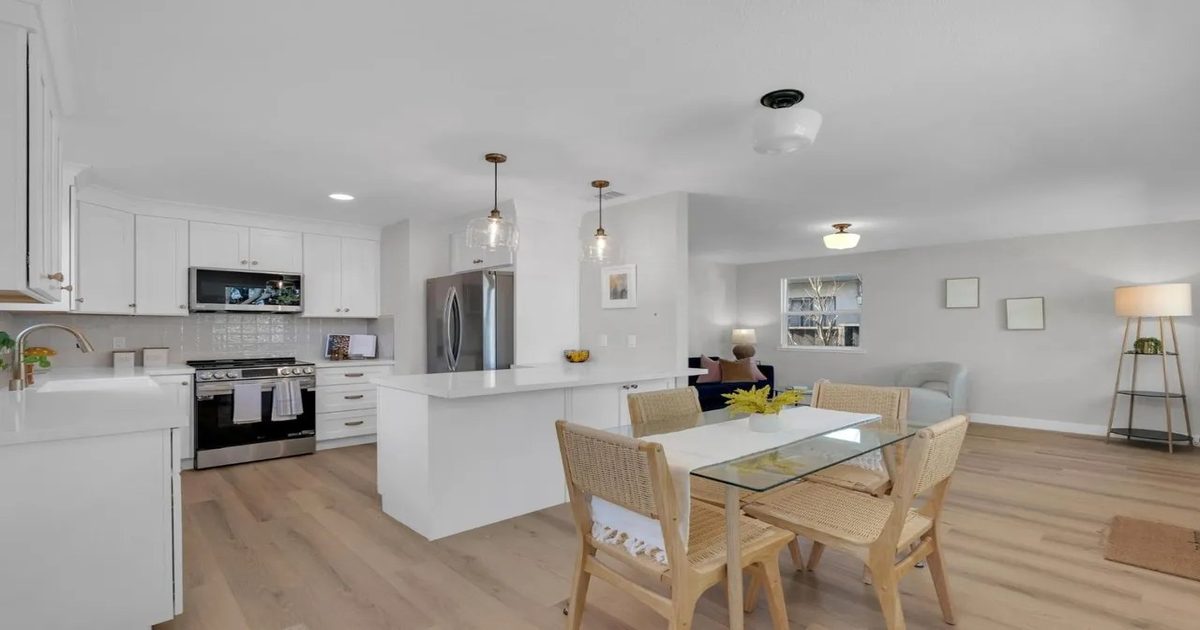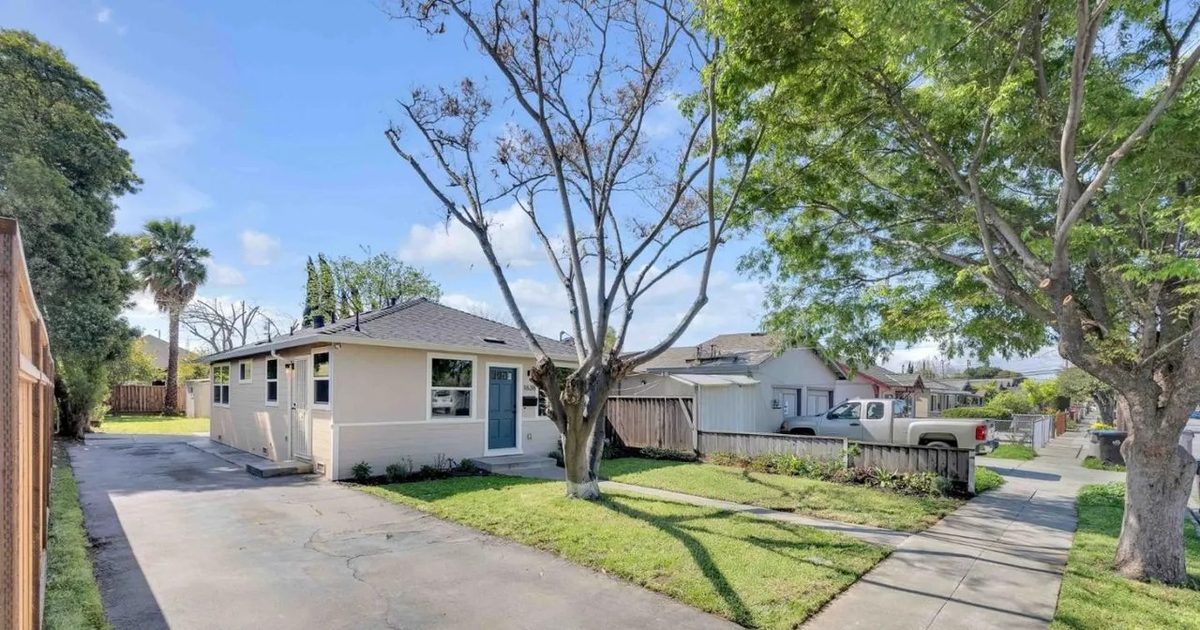

For most divorcing couples in San Jose, the family home is the single largest thing they own together — and the one that’s hardest to untangle. It carries equity, memories, a mortgage with both names on it, and often the question of where the kids will sleep. It also can’t simply be split down the middle the way a bank account can.
We buy homes from divorcing couples in San Jose regularly, and we work alongside their attorneys and the closing agent to make the property part as clean as possible. This guide walks through how California law actually treats the marital home, the rules that quietly restrict what you can do with it the moment a divorce is filed, the tax timing that trips people up, and your real options — so the house becomes one less thing to fight about.
California family law and tax rules are specific to your situation and change with the facts. This explains how things generally work for Santa Clara County homeowners. Before making decisions about your home, talk to a family law attorney and a CPA — and see our dedicated divorce home-sale page for how we work with both spouses.
First Steps When You’re Divorcing and Own a Home Together
The earliest decisions shape everything that follows. A few things to handle right away, even before you’ve decided what to do with the house:
How California Community Property Law Divides the Family Home
California is a community property state. As a general rule, anything acquired during the marriage — including a home bought with marital income — is owned equally by both spouses, regardless of whose name is on the title or who made the payments. On divorce, community property is divided equally (50/50) in value under the California Family Code.
That sounds simple until you get to the details that actually determine each person’s share:
The house isn’t divided — its value is. Selling turns a hard-to-split asset into cash two people can actually divide.
The Automatic Restraining Orders That Freeze Your Home
This is the rule most people don’t know about, and it surprises them at the worst time. When a California divorce is filed, the summons (Form FL-110) carries Automatic Temporary Restraining Orders — ATROs — that bind both spouses the moment the case is filed and served.
Among other things, ATROs prohibit either spouse from doing any of the following to real property without the other spouse’s written consent or a court order:
- Selling, transferring, or otherwise disposing of the home
- Refinancing or taking out a new loan against it
- Changing or cashing out how title is held
- Removing the other spouse from the homeowner’s insurance
You cannot list and sell the family home on your own once a divorce is filed. But a sale that both spouses agree to is completely allowed — ATROs stop unilateral moves, not cooperative ones. This is exactly why a clean, mutually-agreed cash sale works so well in divorce: both people sign once, and the transaction is fully permitted and fast.
Your Three Options for the House
Once you understand the rules, the decision usually comes down to three paths:
The home is sold, the mortgage and liens are paid off, and the remaining equity is disbursed through escrow per your settlement or court order. This is the cleanest option emotionally and financially — it converts the biggest shared asset into cash both people can take and move on. It also ends the joint mortgage liability that otherwise ties your credit together.
The keeping spouse refinances into their own name and uses the proceeds to pay the departing spouse their share. The departing spouse signs an interspousal transfer deed removing them from title. The catch in San Jose: qualifying for a solo refinance on a Bay Area mortgage — and pulling out enough equity — is a high bar on one income.
California courts can issue a deferred sale of home order (sometimes called a Duke order) letting one spouse and the children stay for a set time before the home is sold. It preserves stability — but it also keeps two divorcing people financially entangled through a joint mortgage, shared repair bills, and a future sale to negotiate all over again. Most couples eventually sell; this option mostly delays that day.
One Firm Offer Can End the Standoff
A written cash offer gives both spouses a real number to divide — and it closes in as little as 7 days, on the date your attorneys choose.
What If One Spouse Won’t Agree to Sell
This is one of the most common questions we hear. If one spouse wants to sell and the other refuses, you generally can’t sell during the divorce without their consent — ATROs see to that. But you are not stuck:
- Document the carrying cost. Keep records of every mortgage, insurance, tax, and repair payment. A home draining the marital estate month after month is powerful evidence when you ask the court to act.
- Ask the court to order the sale. The Santa Clara County family court can order the home sold as part of dividing the estate — especially when neither spouse can afford to buy the other out or refinance. Judges do this routinely.
- Use mediation. Santa Clara County has family mediators who specialize in property disputes; mediation is usually faster and cheaper than a contested hearing.
- Bring a real offer to the table. A firm, written cash offer often focuses a reluctant spouse better than any argument — it replaces an abstract fear (“we’ll get lowballed”) with a concrete number and a fast, certain close.
If you’re a co-owner who is not married to the other owner — for example, an unmarried couple or siblings — the tool is different: a partition action can force a sale in civil court. We cover that dynamic in our guide to selling an inherited house with multiple owners, which runs on similar principles.
The Capital Gains Timing Trap ($250K vs. $500K)
Here is a detail that can cost San Jose couples real money if they get the sequence wrong. Under federal tax law (IRC Section 121), you can exclude capital gain on the sale of a primary residence you’ve owned and lived in for two of the last five years:
| Filing Status at Sale | Capital Gain Exclusion |
|---|---|
| Married, filing jointly | Up to $500,000 |
| Single (each, after divorce) | Up to $250,000 |
In much of San Jose, homes bought a decade or more ago have appreciated well past $250,000 in gain. If a couple waits until after the divorce is final and each sells as a single person, they may each be capped at $250,000 — potentially exposing gain to tax that the $500,000 joint exclusion would have covered. Selling while still legally married can preserve the larger exclusion.
This is not a reason to rush a divorce or ignore other factors — but it is a genuine timing decision. Before you finalize, ask a CPA how the sale timing affects your specific gain. It’s one of the few places in a divorce where sequencing alone can change the dollars.
Selling Options: Cash Sale vs. Listing During a Divorce
Once both spouses agree to sell, the question is how. The two realistic paths behave very differently under the stress of a divorce:
Both spouses agree to one offer, up front. There are no showings to coordinate, no repairs to fund, no buyer financing to fall through, and the escrow company disburses each spouse’s share directly per your agreement. We buy as-is, cover closing costs, and can close in as little as 7 days — or wait for whatever date your attorneys set. See exactly how our process works, or compare all your options side by side.
There’s no universally right answer — it depends on the home’s condition, your timeline, and how much continued coordination each spouse can tolerate. What we can say from experience: in a high-conflict split, the value of “decide once and be done” is often worth more than a few percentage points of price. For a full walkthrough of the fast path, see our guide on how to sell your house fast in San Jose.
Frequently Asked Questions
Can I sell the house before the divorce is final in California?
Yes — with both spouses’ agreement or a court order. Once a divorce is filed, ATROs prevent one spouse from selling alone, but a sale both spouses agree to is fully permitted and can close on your timeline. Selling before the judgment is often the cleanest path because it removes the largest shared asset.
Do both of us have to sign to sell the home?
For a voluntary sale before judgment, yes. The family home is typically community property, and both spouses must sign the deed and closing documents. If you can’t agree, the court can order the sale instead.
What are ATROs?
Automatic Temporary Restraining Orders — standard orders printed on the divorce summons (FL-110) that take effect when the case is filed and served. They block either spouse from selling, refinancing, or transferring the home without the other’s consent or a court order. A cooperative sale is allowed.
How are the proceeds split?
The mortgage and liens are paid off first; the remaining equity is disbursed through escrow per your marital settlement agreement or court order — often 50/50, but adjusted for separate-property contributions and reimbursements like Epstein credits or Watts charges. A cash sale lets escrow pay each spouse directly at closing.
Can my spouse force me to sell?
Not unilaterally during the divorce — but the family court can order the home sold when dividing the estate, particularly if neither spouse can buy the other out. Court-ordered sales of the family residence are common.
Will we owe capital gains tax if we sell during the divorce?
Possibly, depending on timing. Married-filing-jointly allows up to $500,000 of gain to be excluded; after divorce, each single person is capped at $250,000. In appreciated San Jose markets, selling while still married can preserve the larger exclusion. Confirm with a CPA.
Can you buy our home if we’re barely speaking?
Yes. We work with each spouse (and each attorney) separately when that reduces friction, and we handle the details so you don’t have to coordinate with each other. Both spouses sign, but you never have to be in the same room. Reach us any time at (408) 549-7183, and see more on our divorce home-sale page or the main FAQ.